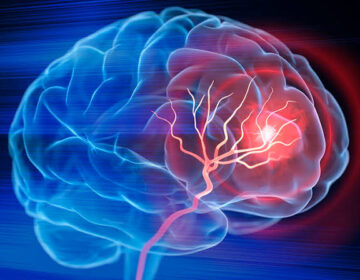
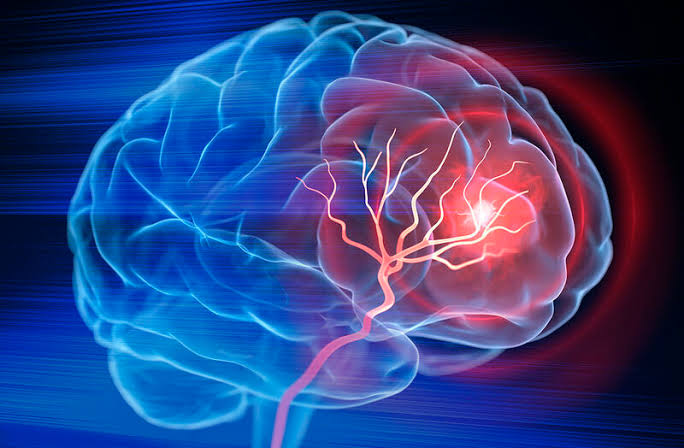
Scientists have discovered that transplanted stem cell-derived brain cells may do far more than simply survive after a stroke.
A stem cell treatment helped mice recover from strokes by rebuilding damaged brain connections, restoring blood vessels, and improving movement, according to new research from the University of Zurich and the University of Southern California. The findings raise hopes that future therapies could one day repair stroke damage that is currently considered permanent.
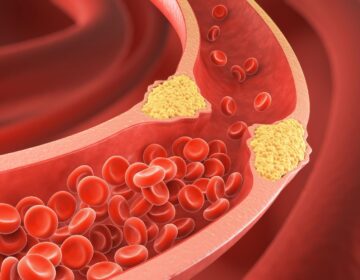
Stroke remains one of the world’s leading causes of long-term disability. When blood flow to part of the brain is cut off, oxygen-starved cells die within minutes. Unlike skin or bone, the brain has only a limited ability to replace lost tissue, leaving many survivors with lifelong paralysis, speech problems, or memory loss.
Scientists have spent years searching for ways to help the brain rebuild itself. In the new study, researchers used neural progenitor cells, early-stage cells capable of developing into different types of brain tissue. The cells were created from induced pluripotent stem cells, which are adult human cells reprogrammed into a stem cell-like state.
The team transplanted these cells into the brains of mice one week after a stroke. That timing turned out to be critical. Earlier transplants survived poorly because the injured brain was still overwhelmed by inflammation and toxic chemical signals. Waiting several days allowed conditions to stabilize enough for the transplanted cells to take hold.
What happened next surprised the researchers.
New Neurons and Rebuilt Connections
Over five weeks, the transplanted cells survived, spread through nearby brain tissue, and matured mostly into functioning neurons. Many became GABAergic neurons, specialized inhibitory brain cells that help regulate neural activity and are heavily depleted after stroke. These cells are essential for balancing brain signaling, preventing excessive excitation, and coordinating movement.