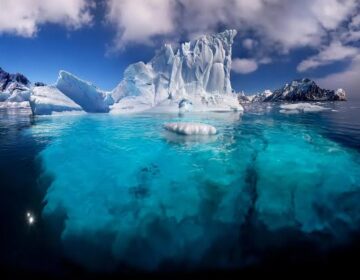
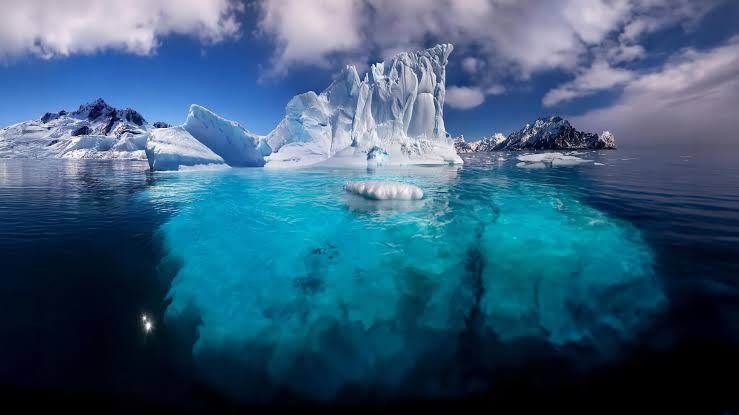
Hidden warm-water traps beneath Antarctica may be melting the continent’s ice far faster than scientists realized.
Global sea levels could rise faster than scientists once predicted, according to new research pointing to a hidden source of Antarctic ice loss. The study suggests that warmer ocean water is melting Antarctic ice shelves from underneath much more efficiently than expected.
Ice shelves are giant floating extensions of glaciers that help slow the movement of massive amounts of ice into the ocean. Researchers in Norway have now identified a process that may weaken these natural barriers. Long channel-like formations beneath the ice shelves can trap relatively warm seawater, dramatically increasing melting in specific areas.
If these ice shelves become thinner and less stable, the glaciers behind them may flow into the sea more quickly. That could speed up global sea level rise well beyond many current estimates.
Scientists have already seen similar patterns in other parts of Antarctica. The Intergovernmental Panel on Climate Change (IPCC) has identified unstable polar ice shelves as a major climate concern, although the process remains difficult to fully understand and model.