A little-known inherited cholesterol particle called Lp(a) may explain some unexplained heart risk and is becoming a major target for new treatments.
Most people know about “good” and “bad” cholesterol — but there’s another type that often goes undetected and could quietly raise the risk of heart attacks and strokes, even in otherwise healthy people.
Known as lipoprotein(a), or Lp(a), this little-known particle has become one of the most closely watched topics in cardiovascular research. It isn’t included in standard cholesterol tests and, until recently, there has been little doctors could do about it. Now, a new wave of experimental treatments is beginning to change that.
What is lipoprotein(a)?
Lipoprotein(a) is a cholesterol particle that carries lipoprotein, particles made of fats and proteins, through the bloodstream. It is similar in structure to LDL (low-density lipoprotein, or “bad” cholesterol), but it has an added protein called apolipoprotein(a).
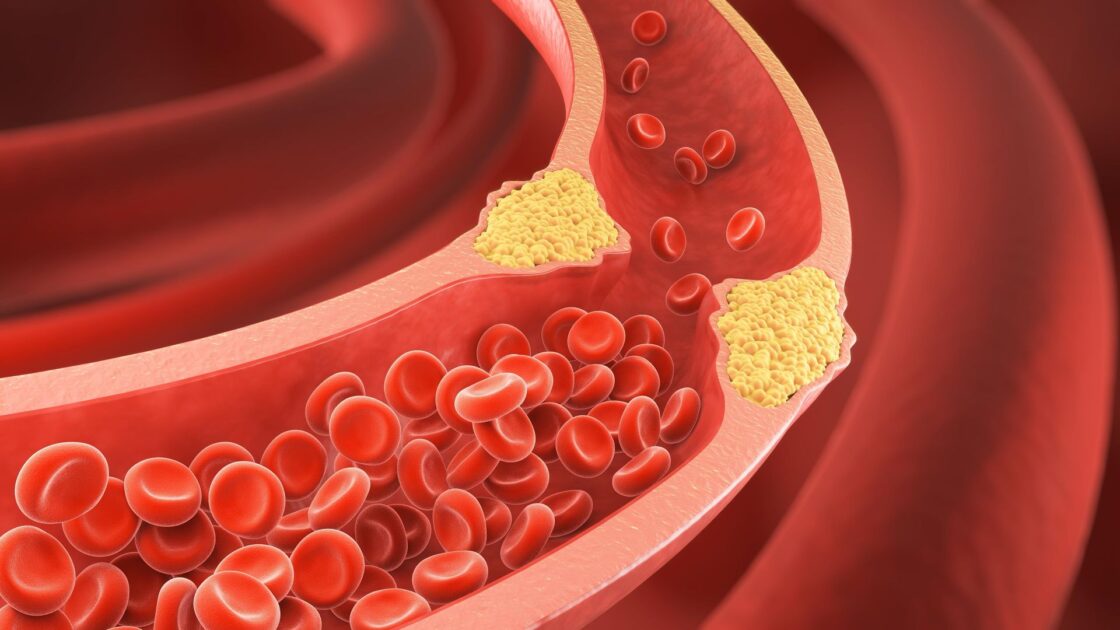
This extra protein component seems to make Lp(a) more likely to contribute to the build-up of fatty deposits in arteries. It may also promote blood clotting. Together, these processes increase the likelihood of cardiovascular disease (heart disease and stroke).
Large-scale studies and international guidelines now recognize Lp(a) as a risk factor for heart disease and stroke.