
Creatine is often linked to gym performance, but its real impact goes much deeper.
Creatine is widely recognized as a supplement used by athletes and fitness enthusiasts to improve performance. But its effects extend beyond the gym. Scientists have been studying how this naturally occurring compound influences both physical and mental function, revealing a more complex picture than many people expect.
From supporting energy production to its possible role in future medical treatments, creatine continues to attract attention from researchers.
How Creatine Works in the Body
Creatine is produced naturally in the liver, kidneys, and pancreas using amino acids such as glycine, arginine, and methionine.
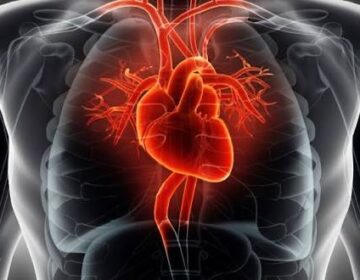
After it is made, creatine enters the bloodstream and is delivered to tissues that require energy, especially muscle. About 95% of the body’s creatine is stored in skeletal muscle, while smaller amounts are found in the brain, heart, and other organs.
Within cells, creatine is converted into phosphocreatine , which plays a key role in restoring adenosine triphosphate , the body’s primary energy source.
This rapid recycling of ATP is essential for tissues that use large amounts of energy, including skeletal muscle, the heart, and the brain. It allows cells to continue functioning during periods of intense activity or stress, which explains why creatine has become so popular among athletes.
Once creatine has been used, it breaks down into creatinine. This waste product is filtered by the kidneys and eliminated through urine.
The body can only store a limited amount of creatine, and individual levels vary. As a result, responses to supplementation can differ from person to person.