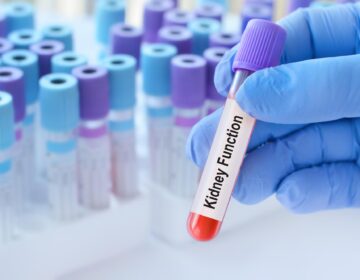
MethylScan is a low-cost blood test that detects cancers and organ diseases by analyzing DNA methylation, improving early diagnosis.
UCLA researchers have created a simple, low-cost blood test that may be able to detect multiple cancers, liver diseases, and organ abnormalities at the same time by analyzing DNA fragments circulating in the bloodstream.
Described in the journal Proceedings of the National Academy of Sciences, the test could provide a more affordable way to catch diseases early and monitor overall health.
“Early detection is crucial,” said Dr. Jasmine Zhou, the study’s senior author, a professor of pathology and laboratory medicine and investigator at the UCLA Health Jonsson Comprehensive Cancer Center. “Survival rates are far higher when cancers are caught before they spread. If you detect cancer at stage one, outcomes are dramatically better than at stage four.”
How MethylScan Uses Cell-Free DNA
The approach, known as MethylScan, analyzes cell-free DNA (cfDNA), which consists of small fragments of genetic material released into the bloodstream as cells die. Because every organ sheds DNA, these fragments carry signals that reflect activity across the entire body.
“Every day, 50 to 70 billion cells in our body die. They don’t just disappear; their DNA goes into the bloodstream,” Zhou said. “That means we already have information from all our organs circulating in the blood.”
Using blood to detect cancer, often called a liquid biopsy, is not a new concept. Some existing tests search for mutations in tumor DNA, but they typically target a limited set of changes and can be expensive because they require deep sequencing to identify faint signals.