
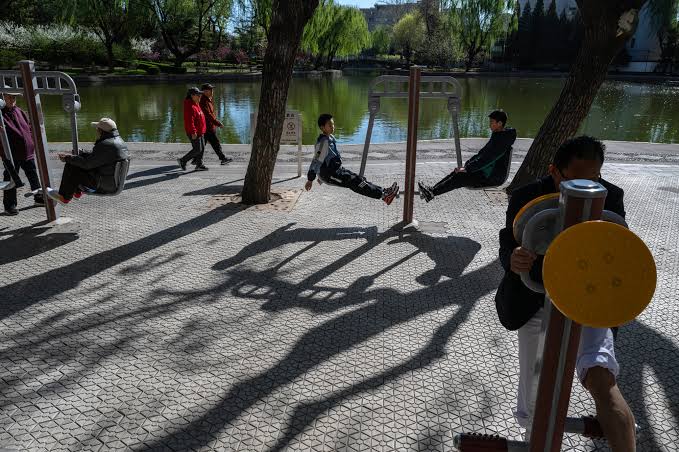
New research suggests that not just how much people exercise, but how varied their activity is, may influence longevity.
A growing body of research suggests that how you exercise may matter just as much as how much you exercise. A new study reports that regularly engaging in a variety of physical activities is linked to a longer lifespan, though the benefits appear to peak beyond a certain level of effort.
Rather than repeating the same routine, mixing different forms of movement, such as walking, strength training, or racquet sports, may offer broader health advantages. The researchers emphasize that staying active overall remains critical, but their findings point to a more nuanced picture of how physical activity supports longevity.
Physical activity is consistently associated with better physical and mental health and reduced mortality risk, the specific effects of different types of exercise are less clear. It is also uncertain whether variety offers advantages beyond total activity levels.
Study Design and Participants
To investigate, researchers analyzed data from two large long-term studies: the Nurses’ Health Study (121,700 female participants) and the Health Professionals Follow-Up Study (51,529 male participants). Both tracked physical activity repeatedly over more than 30 years.
Participants provided information on personal characteristics, medical history, and lifestyle habits at enrollment and updated this information every two years through questionnaires.
Starting in 1986, participants reported activities such as walking, jogging, running, cycling (including stationary cycling), lap swimming, rowing or calisthenics, and racquet sports like tennis and squash.
Later surveys added questions about weight training or resistance exercise, lower intensity activities such as yoga and stretching, vigorous tasks like lawn mowing, moderate outdoor work such as gardening, and more strenuous labor like digging.
Participants also reported how many flights of stairs they climbed each day, based on an estimate of 8 seconds per flight.
The analysis of total activity included 111,467 individuals, while the analysis of activity variety included 111,373 participants. Researchers calculated MET scores by multiplying time spent on each activity (hours per week) by its MET value, which reflects how much energy the activity uses compared to rest.
Participants reported up to 11 activities in the Nurses’ Health Study and up to 13 in the Health Professionals Follow-Up Study. Walking was the most common activity in both groups, and men were more likely than women to run or jog.