
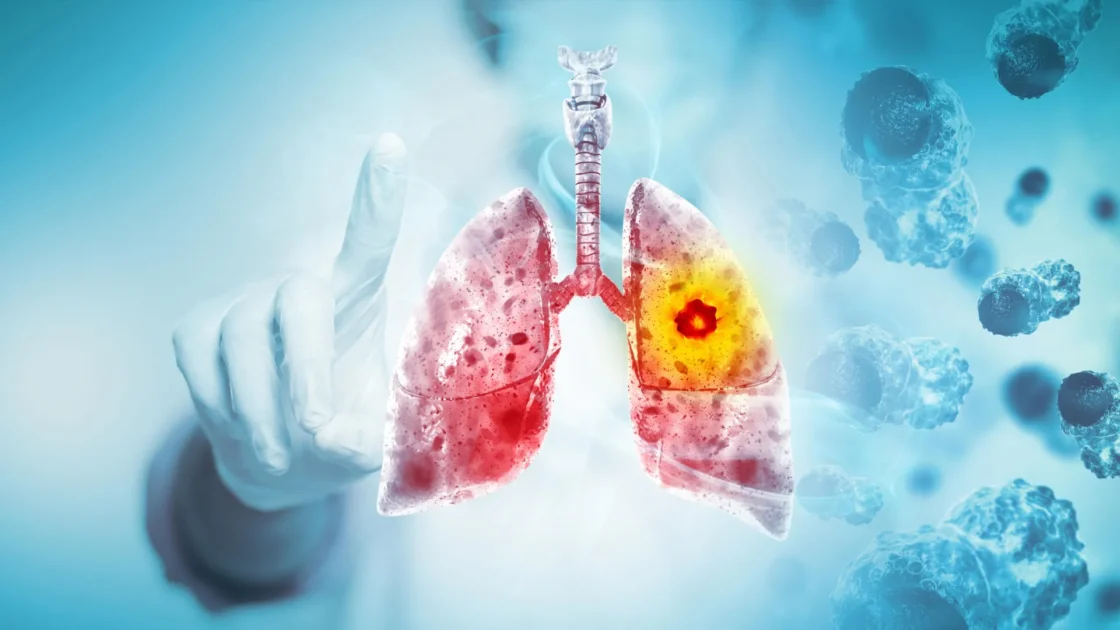
A new approach using lipid nanoparticles to deliver genetic material is showing promise in tackling two major challenges in lung cancer at once.
Researchers at Oregon State University have designed a new way to tackle two of the most devastating effects of lung cancer at the same time: tumor growth and severe muscle loss.
Their study, published in the Journal of Controlled Release, explores how tiny fat-based particles can be used to deliver genetic instructions straight to cancer cells in the lungs.
In tests using mice, the research team, led by Oleh Taratula and Yoon Tae Goo of the OSU College of Pharmacy, engineered lipid nanoparticles to carry follistatin messenger RNA. Once inside a tumor, this genetic material directs cells to produce follistatin, a protein known for its dual role in slowing tumor progression and supporting muscle growth.
Targeting Tumors With Lipid Nanoparticles
These lipid nanoparticles, or LNPs, are given through the bloodstream and make their way to the lungs with the help of vitronectin, a protein found in blood serum. Lipids are fatty compounds that include substances such as natural oils and waxes. Nanoparticles are extremely small, measuring between one and 100 billionths of a meter.
“We found that these LNPs bind vitronectin in the bloodstream, which then directs them to lung cancer tumors by interacting with integrin receptors that are overexpressed on the tumor surface,” Taratula said.