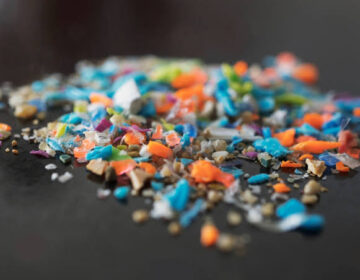
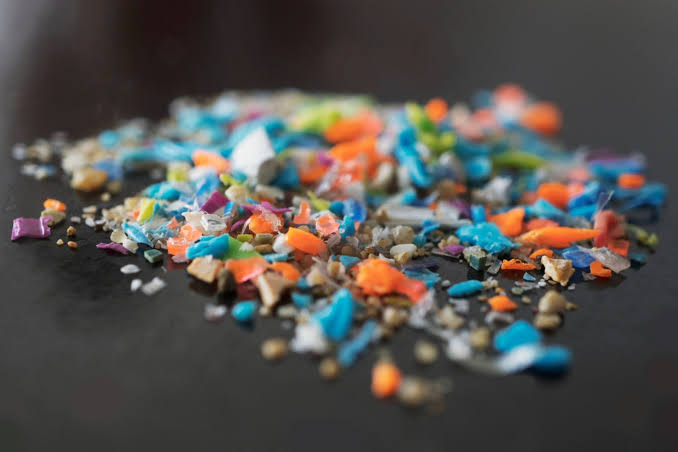
Scientists in Germany have found that microscopic plastic particles make up a measurable share of urban air pollution, with tire wear emerging as the dominant source.
Airborne plastic pollution is attracting more scientific attention, but much remains unknown about where these particles are found and how they affect health. New chemical analyses from Leipzig now offer the first detailed data from Germany, showing that plastic makes up about 4 percent of particulate matter. Around two-thirds of that plastic comes from tire abrasion.
When extrapolated, the results suggest that people in a city such as Leipzig inhale about 2.1 micrograms of plastic each day from the air, a level associated with a 9 percent higher risk of death from cardiovascular disease and a 13 percent higher risk of death from lung cancer.
Researchers from the Leibniz Institute for Tropospheric Research (TROPOS) and Carl von Ossietzky University Oldenburg report in the journal Communications Earth & Environment that their findings underscore the urgent need for global efforts to address plastic pollution, as well as more regional research into air quality and its health impacts. The study was carried out as part of the Leibniz Association-funded “AirPlast” project.
Airborne plastic remains undermeasured
Scientists have become increasingly interested in airborne plastic particles in recent years because they have been found even in remote places, including polar regions and high mountains. These particles may interfere with ecological processes and may also affect human health. Possible sources include tire wear, brake wear, textile fibers, dust, and urban surfaces. Plastic that enters oceans in large amounts through rivers can also return to the atmosphere as microplastics and nanoplastics through sea spray.
Nanoplastics are defined as all plastic particles smaller than 1 micrometer, while microplastics are defined as all particles between one micrometer and one millimeter. Even though plastic pollution is clearly increasing, the risks from breathing in plastic particles remain poorly understood.