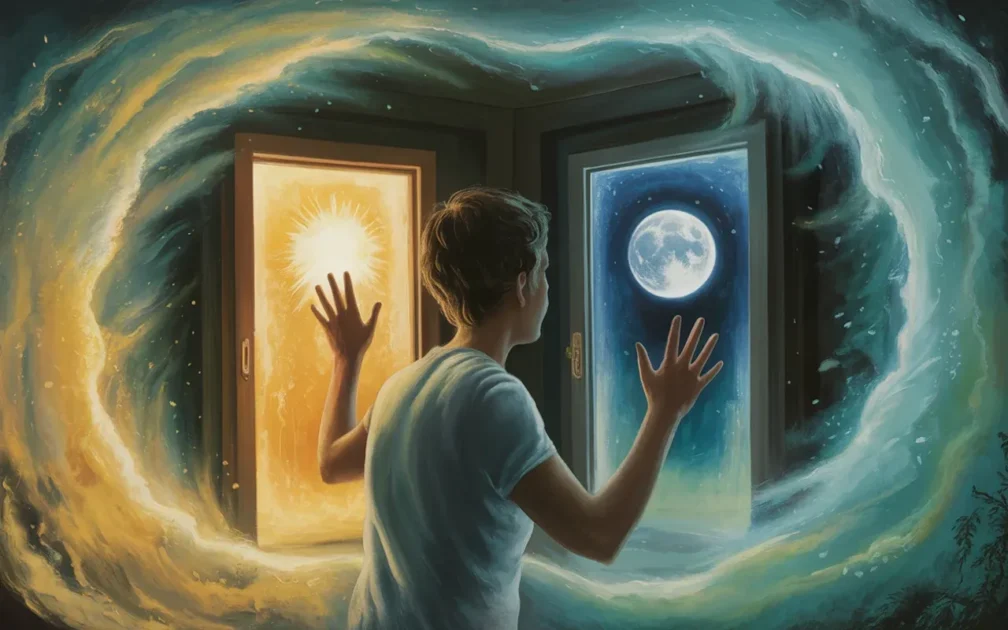
Dreams are shaped by your personality, experiences, and even global events. Your brain transforms everyday life into vivid, often surreal stories while you sleep.
Why do some dreams feel vivid and lifelike while others seem disjointed or hard to understand? A new study from researchers at the IMT School for Advanced Studies Lucca offers answers, showing that both personal traits and shared life experiences shape what we dream about.
Large Study Tracks Dreams and Daily Experiences
Published in Communications Psychology, the study examined more than 3,700 descriptions of dreams and waking experiences from 287 participants ranging in age from 18 to 70. Over a two-week period, participants recorded their experiences each day. Researchers also collected detailed data on sleep patterns, cognitive abilities, personality traits, and psychological characteristics.
AI Analysis Reveals Patterns in Dream Content
The team used advanced natural language processing methods to analyze the meaning and structure of dream reports. This approach allowed them to study dreams in a systematic and measurable way. The results show that dreams are not random or chaotic. Instead, they reflect a complex interaction between internal factors such as mind-wandering tendencies, interest in dreams, and sleep quality, and external influences, including major societal events like the COVID-19 pandemic.
How the Brain Reworks Reality During Sleep
By comparing descriptions of daily life with dream reports, researchers found that the brain does not simply replay waking experiences. Instead, it reshapes them. Familiar settings like workplaces, hospitals, or schools are not reproduced exactly. They are transformed into vivid scenes that often combine different elements and shift perspectives in unexpected ways.