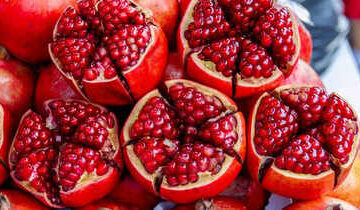
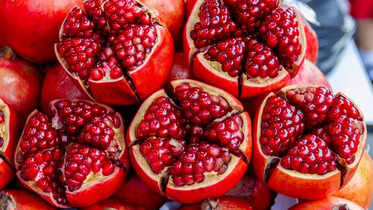
A compound produced by gut bacteria from pomegranate-derived molecules may play a critical role in protecting the cardiovascular system.
A compound created by gut bacteria from pomegranate-derived nutrients may help protect the arteries by reducing plaque buildup, easing inflammation, and making plaques less likely to rupture, according to researchers at Cardiff University.
In a study published in Antioxidants, scientists identified urolithin A as a key factor behind these effects. This molecule forms when gut microbes break down pomegranate polyphenols and shows strong cardiovascular benefits in preclinical models of atherosclerosis, the condition responsible for most heart attacks and strokes.
Pomegranates contain high levels of punicalagin, a polyphenol often associated with heart health. However, the body absorbs very little of this compound directly. Instead, gut bacteria convert it into smaller molecules called urolithins, which can circulate in the bloodstream and interact with tissues.
“Our findings show that the real biological effects come from what gut bacteria make from pomegranate compounds, rather than from the compounds in the fruit itself,” said Professor Dipak Ramji, senior author of the study and Professor of Cardiovascular Science at Cardiff University.