Higher soy and legume intake may reduce the risk of high blood pressure, with the greatest benefits seen at moderate daily consumption levels.
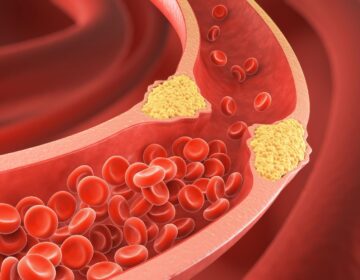
Higher consumption of soy foods and legumes may help lower the risk of high blood pressure, according to a pooled analysis of existing research published in the open-access journal BMJ Nutrition Prevention & Health.
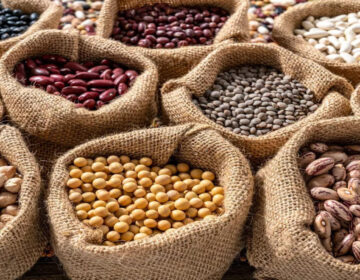
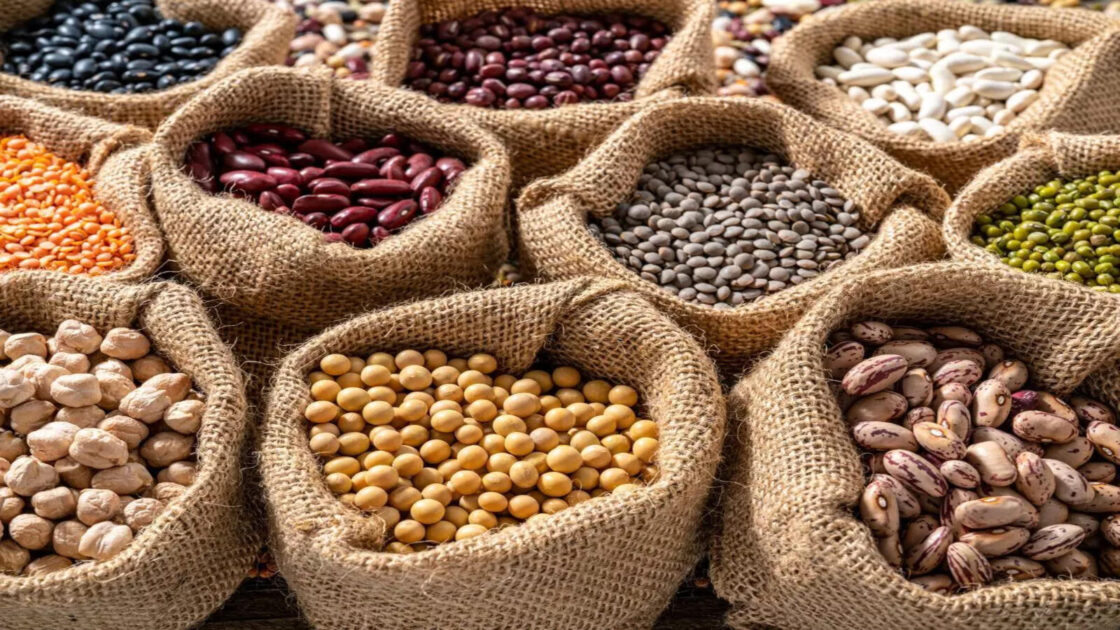
Researchers found that the greatest benefit was linked to eating about 170 grams (6 ounces) of legumes daily, including peas, lentils, chickpeas, and beans, along with 60 to 80 grams (2.1 to 2.8 ounces) of soy foods such as tofu, soy milk, edamame, tempeh, and miso.
Previous studies have connected legumes and soy foods with a lower risk of cardiovascular disease, but evidence on their role in reducing high blood pressure has been inconsistent. To investigate further, researchers reviewed studies published through June 2025 and identified 10 publications containing data from 12 prospective observational studies.
The studies included participants from the United States, Asia, and Europe. Five studies were conducted in the United States, five in Asian countries including China, Iran, South Korea, and Japan, and two in Europe, specifically France and the UK. Nine studies included both men and women, while two focused only on women and one included only men.
Large International Analysis Reveals Significant Risk Reduction
Participant numbers ranged from 1,152 to 88,475 people, while reported cases of high blood pressure ranged from 144 to 35,375.
After combining the data, researchers found that people with the highest legume intake were 16% less likely to develop high blood pressure than those with the lowest intake. High soy consumption was linked to a 19% lower risk.