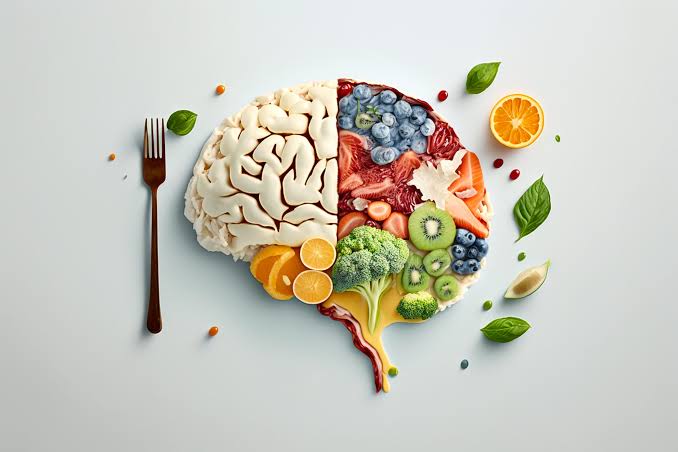
That slice of full-fat cheese might not just be indulgent—it could be linked to a healthier brain.
A large new study suggests that people who regularly eat high-fat cheese and cream may have a lower risk of developing dementia later in life.
High-fat cheeses are defined as containing more than 20% fat and include popular varieties such as cheddar, Brie, and Gouda.
Participants who ate 50 grams or more of high-fat cheese each day showed a 13% lower risk of dementia compared with those who ate less than 15 grams daily.
Those who consumed at least 20 grams of high-fat cream per day also had a reduced dementia risk, about 16% lower than people who did not consume cream.
The same pattern was not seen with low-fat cheese, low-fat cream, milk, butter, or fermented milk products.Researchers say additional studies are needed to confirm these findings and to better understand whether certain high-fat dairy foods could help support brain health.
Full-Fat Dairy and Dementia Risk
A large new study suggests that people who eat more high-fat cheese and high-fat cream may have a lower chance of developing dementia later in life. The research was published in Neurology, the medical journal of the American Academy of Neurology. The findings show a relationship between these foods and dementia risk, but they do not prove that eating high-fat dairy prevents dementia.