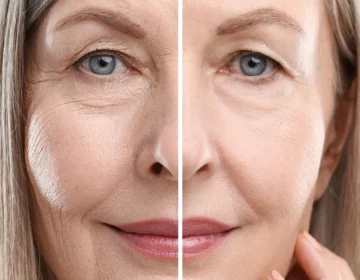
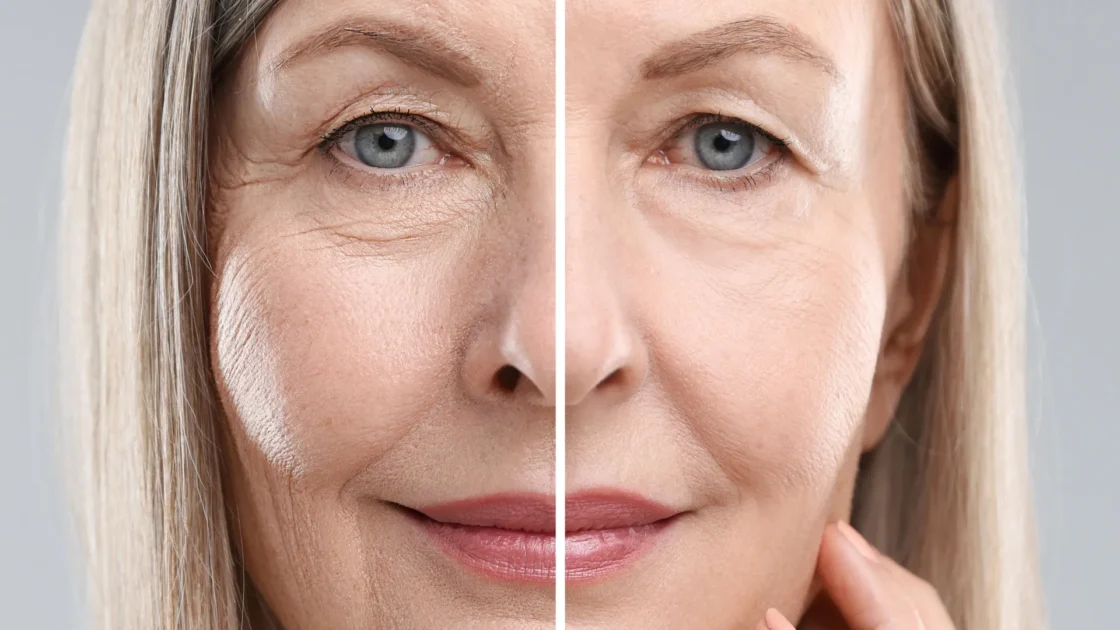
Short-term dietary changes may reduce biological age in older adults, especially with lower-fat or more plant-based eating patterns.
What if changing your diet for just a few weeks could make your body appear biologically younger? A new study from the University of Sydney suggests that older adults who reduced either dietary fat or animal-based protein showed measurable improvements in biomarkers tied to biological aging after only one month.
Published in Aging Cell, the research focused on adults ages 65 to 75 and examined how different eating patterns affected “biological age” — a measure based on physiological markers rather than the number of years a person has lived. Led by Dr. Caitlin Andrews from the University of Sydney’s School of Life and Environmental Sciences, the study adds to growing evidence that diet may influence how the body ages, even later in life.
While the findings are encouraging, the researchers caution that the results are still preliminary. Longer-term studies will be needed to determine whether these short-term biological changes translate into lasting health benefits or reduced risk of age-related diseases.
What Biological Age Reveals About Health and Longevity
Scientists estimate biological age using biomarker profiles, which track changes in physiological function over time and may provide a better picture of long-term health and life expectancy.
The researchers analyzed 20 biomarkers, including cholesterol, insulin, and C-reactive protein levels, to calculate biological age scores for participants in the Nutrition for Healthy Living study at the university’s Charles Perkins Centre.
The study included 104 participants who were randomly assigned to one of four diets. In every diet, 14 percent of total energy intake came from protein. Two diets were omnivorous, with protein split evenly between animal and plant sources, while the other two were semi-vegetarian, with 70 percent of protein coming from plant sources.