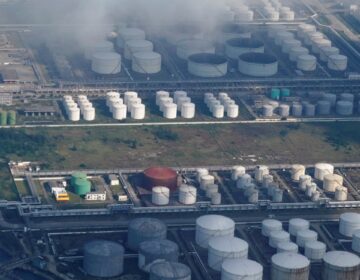
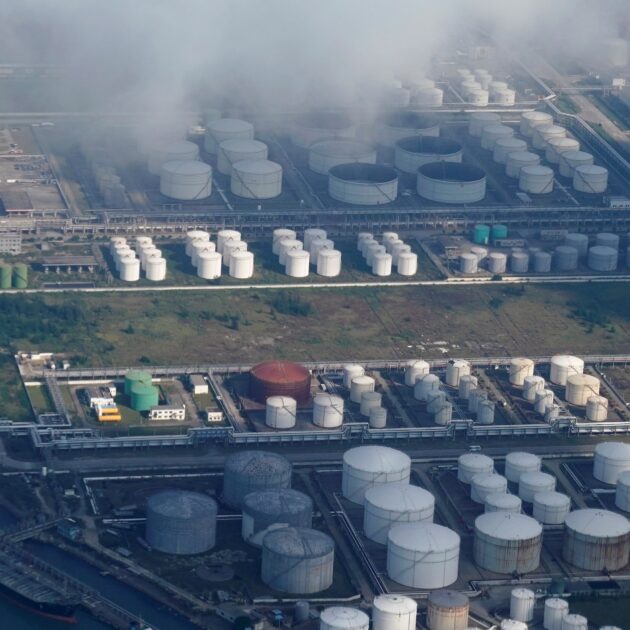
China signals possible return of fuel exports from May as major state oil companies apply for export permits, with shipments of jet fuel, gasoline and diesel expected to resume, according to the Financial Times citing trading sources.
Beijing is reportedly planning to prioritise jet fuel exports to Asian countries facing tight supply conditions, the report added, citing a person familiar with China’s export intentions.
Separately, the United Arab Emirates has announced it will withdraw from the Organization of the Petroleum Exporting Countriesb, marking a significant rupture in the global oil producers’ alliance amid escalating regional tensions and disruption in Middle East energy routes.
The decision, which will take effect on May 1, deals a blow to the cartel and its de facto leader Saudi Arabia, and comes at a time when global energy markets are already under strain from conflict-related disruptions and volatility in oil prices.
The UAE energy ministry said the move followed a comprehensive review of its production policy and long-term strategy, adding that leaving OPEC would provide Abu Dhabi with greater flexibility to respond to market conditions.
The ministry expressed appreciation for OPEC and its broader OPEC+ alliance, saying it wished the group success despite the departure.
The UAE, one of the world’s largest oil exporters and a key regional business hub, joined OPEC in 1967 through the Emirate of Abu Dhabi and remained a member after the formation of the UAE in 1971. It has played a significant role in shaping production decisions within the group.
The withdrawal represents a rare fracture in an organisation that has historically sought to present a unified front despite internal divisions over production quotas, pricing strategy and geopolitical tensions.