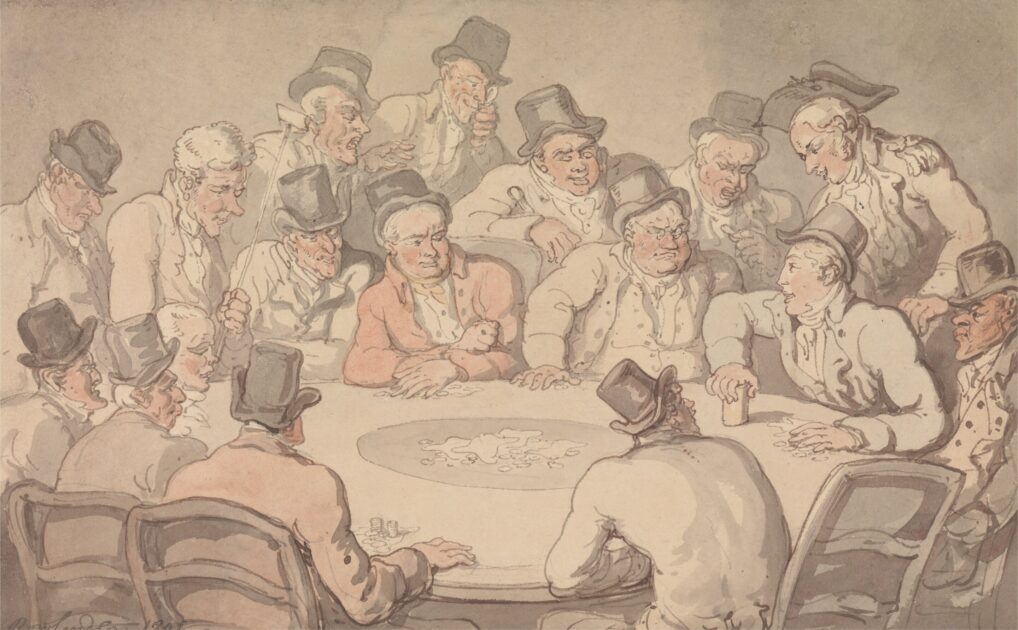
Hats once signified power, defiance, and social status in England, influencing politics, behavior, and everyday life.
From courtroom protests to encounters with highway robbers, hats in England once carried meanings that went far beyond simple fashion. New research indicates that headwear played a powerful role in shaping social behavior, political resistance, and personal identity.
Today, hat etiquette is largely a personal choice in Britain, but 400 years ago, it followed strict social rules. Refusing to remove, or “doff,” a hat could signal open defiance. A recent study in The Historical Journal Cambridge University Press highlights how this simple act became politically charged.
In 1630, an oatmeal maker brought before England’s highest church court responded boldly when told some judges were both bishops and privy councillors. “as you are privy councillors … I put off my hat; but as ye [bishops] are rags of the Beast, lo! – I put it on again.” His reaction reflected a growing willingness to challenge authority through symbolic gestures.
Such behavior became more common during the reign of Charles I. Keeping one’s hat on evolved into a visible form of resistance during the English Civil War and in the years that followed.
Civil War Politics and Hat-Honor
Historian Bernard Capp, emeritus professor at the University of Warwick, explains that this marked a shift in the meaning of “hat-honor.” Previously, removing a hat was expected whenever a person encountered someone of higher status
“Long before the civil wars, men and boys were expected to doff their hats, indoors or out, whenever they met a superior,” Professor Capp says. “That was about respecting your place in society, but in the revolutionary 1640s and 1650s, hat-honor became a real gesture of defiance in the political sphere.”