
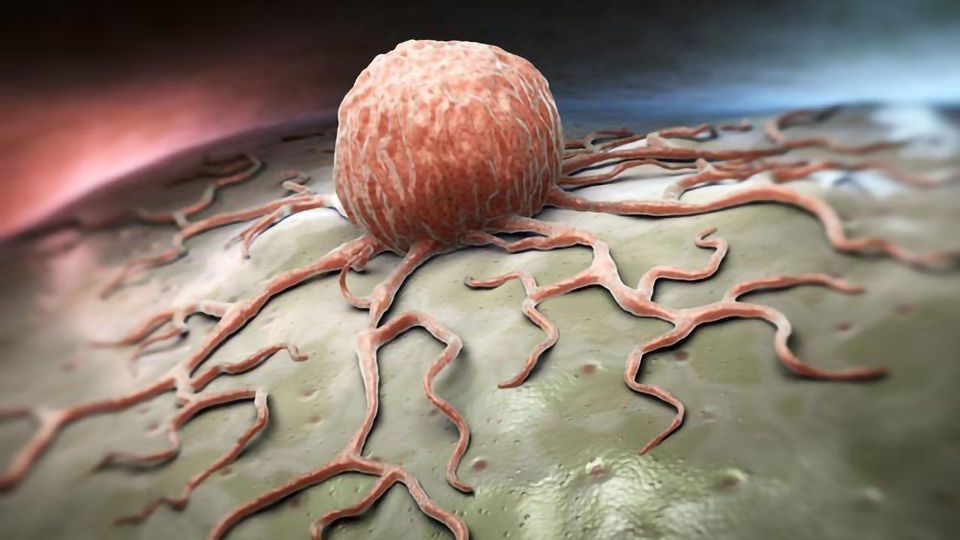
A triple drug approach that blocks the KRAS pathway at three points eliminated pancreatic tumors and prevented resistance in mouse models.
Existing treatments for pancreatic cancer often stop working within a few months because tumors quickly develop resistance to the drugs. Researchers at Spain’s National Cancer Research Centre report that they have prevented this resistance in animal studies by using a three-drug combination therapy.
The researchers say their findings “pave the way for the design of combined therapies that may improve survival,” although they caution that this progress will not immediately translate into new treatments for patients. Mariano Barbacid, head of the Experimental Oncology Group at CNIO, emphasizes that “we are not yet in a position to carry out clinical trials with this triple therapy.”
Pancreatic cancer remains one of the most aggressive cancers. In Spain alone, more than 10,300 people are diagnosed with the disease every year. Because it is usually detected at advanced stages and effective treatments remain limited, fewer than 10% of patients survive five years after diagnosis. However, scientists say research efforts are beginning to accelerate after decades of limited progress.
Barbacid, who leads the Experimental Oncology Group at the National Cancer Research Centre (CNIO), developed a treatment strategy that eliminated pancreatic tumors in mice in a durable way and without major side effects. The study appears in PNAS (Proceedings of the National Academy of Sciences). Carmen Guerra served as co-lead author, with Vasiliki Liaki and Sara Barrambana as first authors.
“These studies open the road to design novel combination therapies that may improve the survival of PDAC patients [pancreatic ductal adenocarcinoma – the most common type of pancreatic cancer],” the authors state in PNAS. “These results set the course for developing new clinical trials.”