A new study investigated the impact of supplementing one’s diet with peanuts on brain health.The researchers conducted the study in older adults and included a control phase and a test phase.During the test phase, the participants ate 2 servings of peanuts daily, and by the end of the study, they saw improvements in both brain vascular function and verbal memory.
A new study from Maastricht University Medical Center, in The Netherlands, suggests that eating 2 daily servings of peanuts may help support brain health in older adults.
With more than 7 million Americans living with Alzheimer’s in 2025 and no cure available, lifestyle choices like dietTrusted Source are an important area of research.
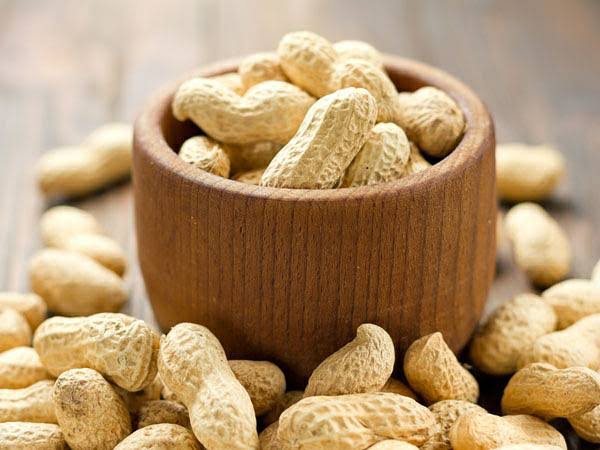
The new study focused on the impact of eating skin-roasted peanuts on brain health. The researcher found that peanut supplementation can increase blood flow to the brain, notably in areas tied to memory and thinking.
These results are not a treatment for cognitive decline, but they do show that regular peanut intake might help support brain function over time.How peanuts could affect brain blood flow.The researchers examined how peanuts impact vascular function, including cerebral blood flow, in adults aged 60 to 75.
According to the American Brain Foundation, “blood flow delivers oxygen and other essential nutrients for cognitive functions, including memory, focus, and problem-solving.” Previous research has shown that cerebral blood flow can contribute to developing Alzheimer’s.
Since medical providers often recommend making dietary changes to help with Alzheimer’s risk, the researchers in the current study focused on peanuts since they are rich in nutrients linked to heart and blood vessel health, including:
protein
healthy fats
polyphenols and antioxidants