Skin conditions in people with first-episode psychosis may signal a higher risk of depression and suicidal behavior, offering a potential early warning marker for clinicians.
Scientists report that people receiving mental health care who also have skin conditions may face a higher risk of serious outcomes, including depression and suicidality. The findings, which could help clinicians identify patients at greater risk and tailor psychiatric treatment more precisely, were presented at the ECNP meeting in Amsterdam.
The study examined 481 patients experiencing a first episode of psychosis (which is the first time an individual experiences a psychotic episode, such as loss of contact with reality, hallucinations, and delusions).
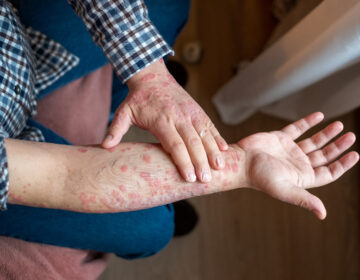
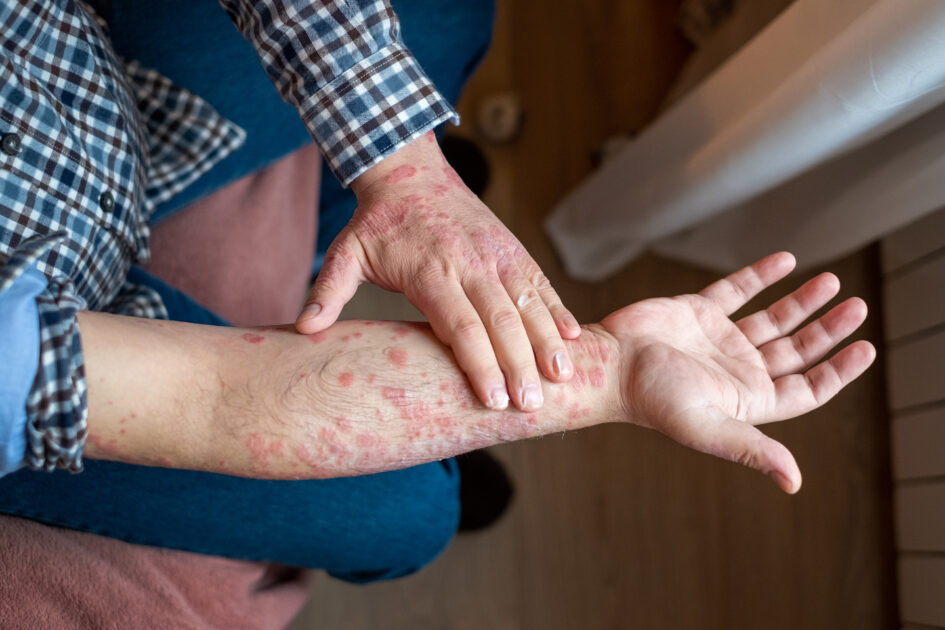
Testing showed that 14.5% of participants had dermatological symptoms, with higher rates among women than men (24% female, 9.8% male). These symptoms included rash, itching, photosensitivity, etc. All patients received four weeks of antipsychotic treatment and were then assessed across multiple mental health measures.
Higher depression and suicide risk
Lead researcher, Dr. Joaquín Galvañ said:
“After 4 weeks of follow-up, patients with a first episode of psychosis presenting with skin conditions experienced higher levels of depression and risk of suicide. We found that just 7% of the patients without the initial skin conditions had suicidal thoughts or attempts, in contrast, around 25% of the patients with initial skin conditions had suicidal thoughts or attempts. Initial skin conditions are also linked to greater depression and poorer well-being at follow-up.