
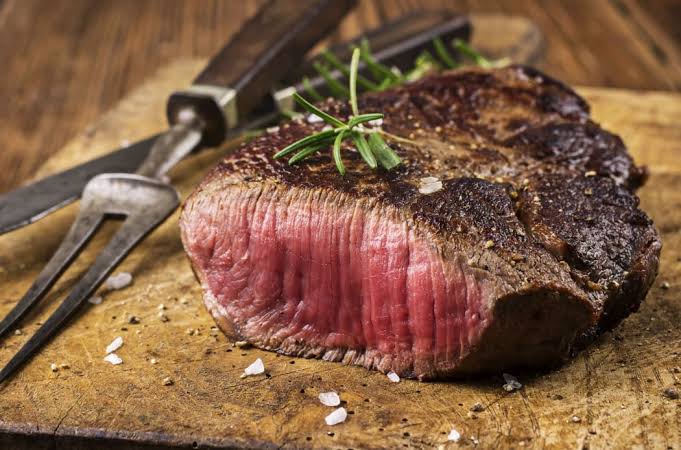
Food choices are driving climate change more than many people realize. Cutting waste and reducing beef consumption could help keep global warming in check.
For many people, the holidays often bring plenty of indulgent meals, followed by guilt and firm New Year’s resolutions to eat better.
A new study from the University of British Columbia suggests that moderation should not be limited to one season. The research found that 44 percent of people worldwide would need to change what they eat if global warming is to be held below 2 °C.
The study was led by Dr. Juan Diego Martinez during his doctoral work at UBC’s .He explains what the research revealed and outlines practical diet changes that could help reduce climate risks.
What did you find ?
The analysis shows that about half of the global population, and at least 90 percent of Canadians, would need to adjust their diets to avoid the most severe levels of planetary warming. Martinez notes that this estimate is cautious because the study relied on data from 2012. Since that time, both greenhouse gas emissions and the global population have continued to grow. Projections for 2050 indicate that roughly 90 percent of people will need to eat differently.
The researchers examined data from 112 countries, representing 99 percent of food-related greenhouse gas emissions worldwide. Each country’s population was divided into 10 income groups. The team then calculated a food emissions budget for each person by combining emissions from food consumption, global food production, and supply chains. These totals were compared with the maximum emissions the planet can sustain if warming is to stay below 2 °C.