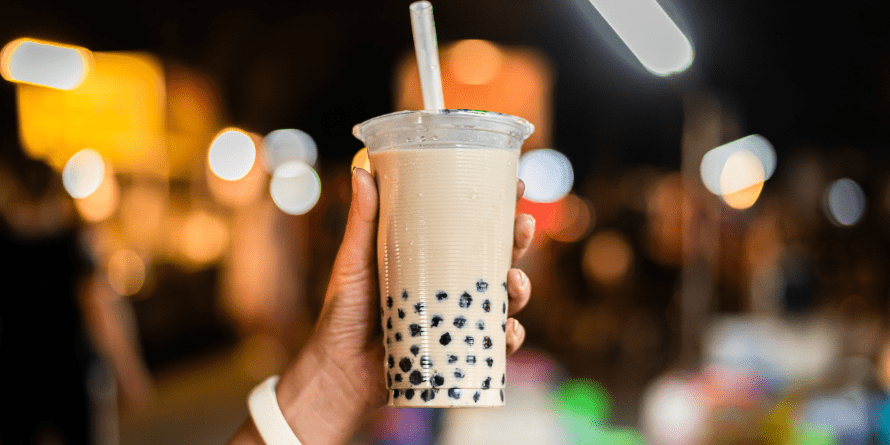
Once an occasional treat, bubble tea may carry underestimated risks when consumed frequently.
Bubble tea shops are now a common sight in cities, rivaling coffee chains with their brightly colored, Instagram-ready drinks offered in countless flavor combinations.
The beverage originated in Taiwan in the 1980s and typically combines black tea, milk, sugar, and chewy tapioca pearls. Its rapid rise in global popularity has been striking, but recent research suggests the drink may deserve closer attention.
From trendy drink to contamination concern
An investigation by Consumer Reports found elevated levels of lead in some bubble tea products sold in the United States, reinforcing earlier concerns linked to foods made from cassava. (No equivalent testing has been published in the UK.) The tapioca pearls, often referred to as the drink’s “bubbles,” are produced from cassava starch. As it grows, the cassava root readily absorbs lead and other heavy metals from the surrounding soil.
The pearls may also pose risks unrelated to contamination. Because they are dense and highly starchy, consuming large amounts can slow the movement of food through the stomach, a condition known as gastroparesis, or in more severe cases, contribute to intestinal blockages.
Both can cause nausea, vomiting, and abdominal pain, and symptoms can be particularly severe in people who already have slow-moving digestion. Even guar gum — a thickener often added to bubble tea and harmless in small amounts – can lead to constipation if you drink it often.
The drink’s composition also affects kidney health. In 2023, Taiwanese doctors removed over 300 kidney stones from a 20-year-old woman who’d been drinking bubble tea instead of water. Certain components, including oxalate and elevated phosphate levels, can contribute to stone formation. However, this extreme case probably reflects exceptionally high consumption.
Read more