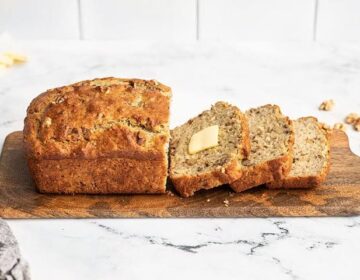
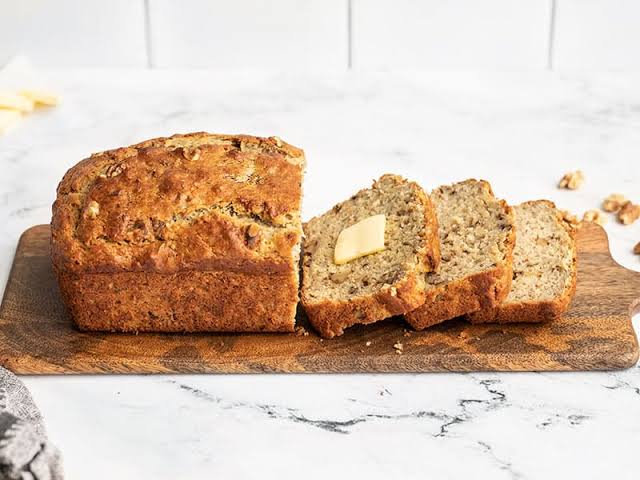
Researchers have discovered that a little-known by-product of sunflower oil production could dramatically improve the nutritional value of bread.
As more people look for healthier options beyond traditional wheat products, researchers are exploring ingredients that can improve nutrition without sacrificing practicality. One promising candidate is partially defatted sunflower seed flour (SF) – a by-product of industrial sunflower oil extraction – which may help enrich bread with protein, fiber, and antioxidant compounds.
“Our aim was to optimize the reuse of sunflower seed flour considering its high protein and chlorogenic acid content,” says biologist Leonardo Mendes de Souza Mesquita, currently at the Institute of Biosciences of the University of São Paulo (IB-USP) in Brazil. He is the lead author of the study published in ACS Food Science & Technology.
Testing Sunflower Flour in Bread Recipes
To evaluate its performance, researchers replaced wheat flour (WF) with sunflower seed flour (SF) at levels ranging from 10% to 60% in bread recipes. Each variation was analyzed for chemical composition, dough behavior, and finished loaf characteristics. The team examined rheological parameters (which describe how the material deforms and flows when subjected to external forces) as well as the physical qualities of the final bread.
“Sunflower seed flour has been shown to contain a very high percentage of protein, from 40% to 66%, as well as dietary fiber, iron, calcium, and high levels of chlorogenic acid, a phenolic compound associated with antioxidant, anti-inflammatory, and hypoglycemic effects. Reusing this by-product adds nutritional value to bread and reduces the environmental impact of the sunflower oil industry. In addition, sunflower seed flour is an extremely cheap raw material, which the oil industry sells just to avoid disposing of it as waste,” explains Mesquita.