Oral Health Problems Linked to Higher Stroke Risk
People who have both cavities and gum disease may be more likely to experience an ischemic stroke, according to research published recently in Neurology Open Access, the official journal of the American Academy of Neurology. The authors noted that the findings point to an association rather than direct evidence that poor oral health causes strokes.
Ischemic strokes occur when a blockage or clot interrupts blood flow to the brain, cutting off the oxygen and nutrients the brain relies on. This is the most common type of stroke.
Understanding Cavities and Gum Disease
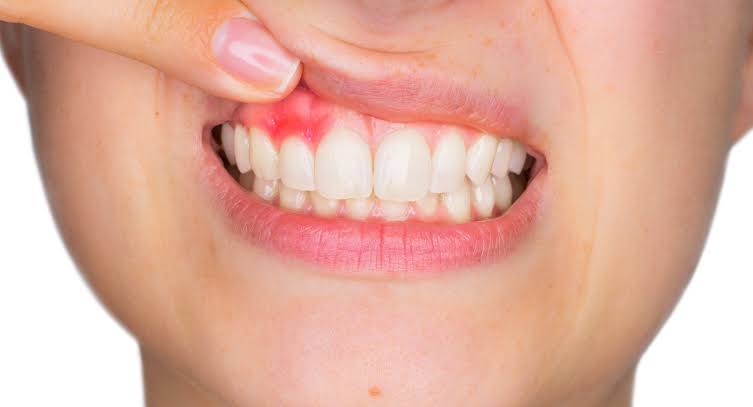
Cavities form when bacteria weaken and break down tooth enamel, often due to sugary or starchy foods, insufficient brushing, or genetic factors. Gum disease develops from inflammation or infection of the gums and the bone that supports the teeth, typically as a result of poor oral hygiene. If left untreated, it can result in tooth loss.
“We found that people with both cavities and gum disease had almost twice the risk of stroke when compared to people with good oral health, even after controlling for cardiovascular risk factors,” said study author Souvik Sen, MD, MS, MPH, of the University of South Carolina in Columbia. “These findings suggest that improving oral health may be an important part of stroke prevention efforts.”
Long-Term Study Follows Nearly 6,000 Adults
The research team evaluated data from 5,986 adults with an average age of 63, none of whom had previously experienced a stroke. Each participant completed a dental exam to determine whether they had gum disease, cavities, or both. Based on these assessments, they were grouped into one of three categories: healthy mouth, gum disease only, or gum disease with cavities.