
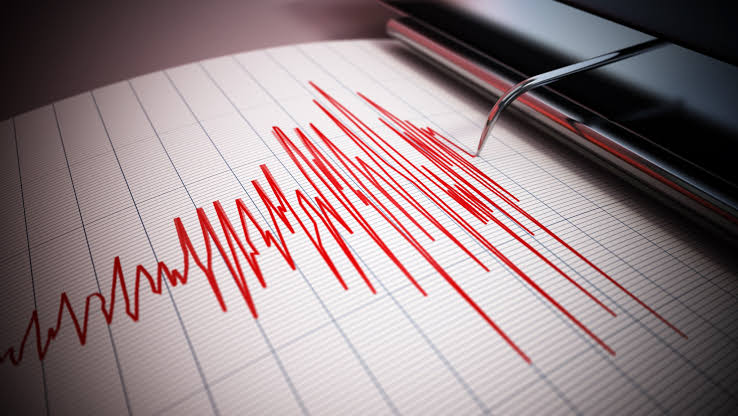
Earthquakes may be unpredictable, but their impacts are not entirely mysterious. New modeling techniques are offering a clearer view beneath the surface.
On Saturday, December 6, 2025, a magnitude 7.0 earthquake struck Alaska. Events of this size are relatively rare, but smaller earthquakes occur constantly around the world. The United States Geological Survey (USGS) estimates that roughly 55 earthquakes happen each day, adding up to about 20,000 each year.
Typically, one earthquake annually reaches magnitude 8.0 or higher, while about 15 others fall within the magnitude 7 range on the Richter scale, which measures earthquakes based on the energy they release. In 2025, for instance, an offshore magnitude 8.8 earthquake near Russia’s Kamchatka Peninsula ranked among the 10 largest earthquakes ever recorded, according to USGS.
The consequences of earthquakes can be severe, including loss of life, destruction of buildings and infrastructure, and widespread economic disruption. Many people also experience long-term psychological effects after living through a major quake.
These events are becoming increasingly expensive, according to a 2023 report from the USGS and the Federal Emergency Management Agency, partly because more people now live in regions with high seismic risk. The report estimates that earthquakes cost the United States approximately $14.7 billion each year.
Being able to predict when and where major earthquakes will occur, and how intense their effects might be, would greatly improve preparedness and reduce damage. Despite decades of research, however, reliably forecasting earthquakes before they happen remains beyond the reach of current science.