
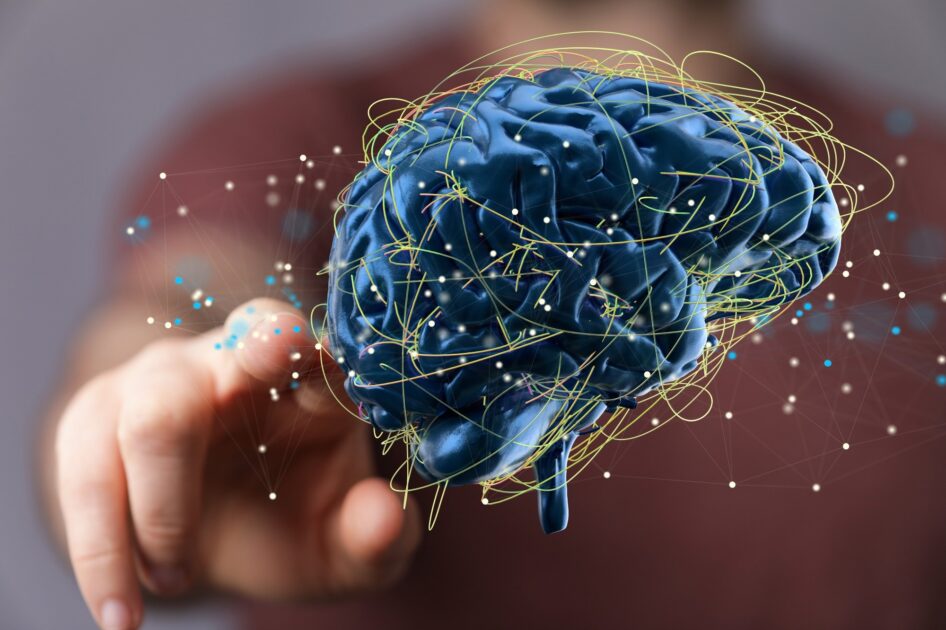
A hidden signature in sleep brain waves may quietly track how the brain ages.
to develop dementia. The research, led by UC San Francisco and Beth Israel Deaconess Medical Center in Boston, used machine learning to analyze brain waves recorded overnight.
The team focused on a measure called “brain age,” which is estimated from sleep EEG signals. When this brain-based age was higher than a person’s actual age, the likelihood of developing dementia increased.
Each 10-year gap in which brain age exceeded chronological age was linked to nearly a 40% rise in dementia risk. In contrast, people whose brain age appeared younger than their actual age had a lower risk.
To reach these conclusions, researchers built a machine-learning model that examines 13 detailed features of brain wave activity. They applied it to data from about 7,000 individuals who participated in five separate studies.
Participants ranged from 40 to 94 years old and had no signs of dementia at enrollment. They were tracked for periods ranging from 3.5 to 17 years, during which roughly 1,000 individuals were diagnosed with the condition.
The analysis revealed that subtle patterns in sleep brain waves can offer clues that standard sleep measurements often miss. Earlier combined analyses of multiple study groups found no meaningful connection between dementia risk and common sleep metrics such as time spent in different sleep stages or overall sleep efficiency.