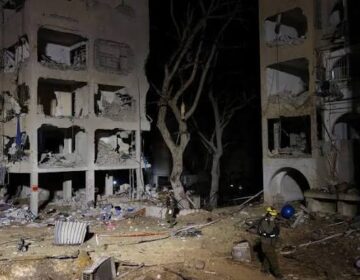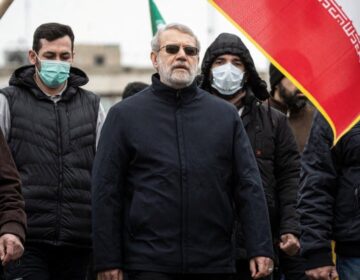
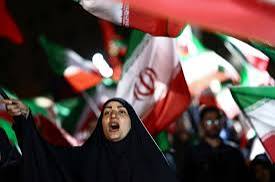
Tehran refuses to back down as Hormuz remains global pain point.A day after Iranian forces launched a punishing series of retaliatory attacks against Israel, the country’s president said that “threats and terror” would only make the country more unified.
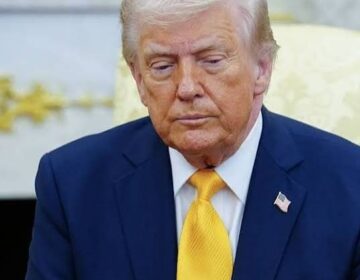
The message from Masoud Pezeshkian came after Trump threatened to attack Iran’s power plants if the Strait of Hormuz was not fully reopened, and called on other nations to help end the closure.
White House Press Secretary Karoline Leavitt said that Washington is “already starting to see them Nato answer the president’s call” on unblocking the Strait of Hormuz.
After US President Donald Trump slammed Nato allies as “cowards” and urged them to secure the Strait of Hormuz, a statement from the leaders of mainly European countries — including the UK, France, Italy and Germany, but also South Korea, Australia, the UAE and Bahrain — “express[ed their] readiness to contribute to appropriate efforts to ensure safe passage through the Strait”.
But in a post on X, Pezeshkian has said Iran will “firmly confront delirious threats on the battlefield”, adding that the Strait of Hormuz “is open to all except those who violate our soil.”
Tehran has threatened to completely close off the Strait if its power infrastructure is destroyed in further US-Israeli attacks.
“We have repeatedly stated that the Strait of Hormuz is only closed to enemies and harmful traffic; it has not yet been completely closed and is under our intelligent control,” a statement from Iran’s central command authority, the Khatam al-Anbiya, pointed out.
It also threatened energy infrastructure, and information and communications technology infrastructure in Israel, as well as American companies and power plants in countries hosting US bases.
Iran is ready to cooperate with the International Maritime Organisation to improve maritime safety and protect seafarers in the Gulf, the Iranian representative to the UN maritime agency said.
Ali Mousavi said the Strait of Hormuz remains open to all shipping except vessels linked to “Iran’s enemies”, adding that passage through the narrow waterway was possible by coordinating security and safety arrangements with Tehran.