A new manufacturing approach aims to reshape how one of industry’s hardest materials is made.
Tungsten carbide-cobalt (WC–Co) sits behind many of the sharp, long-lasting tool edges that cut through metal, concrete, and rock. Its standout hardness is also its biggest manufacturing headache. Once this material is formed, it resists shaping so strongly that production can become slow, wasteful, and costly compared with the amount of usable product that comes out at the end.
That problem matters because WC-Co cemented carbides are relied on anywhere abrasion and heavy loads quickly destroy ordinary metals, including cutting and construction tools. Today, manufacturers typically turn to powder metallurgy, where WC and Co powders are pressed and then sintered under high pressure and high heat to create a solid cemented carbide component.
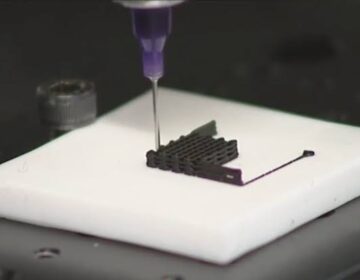
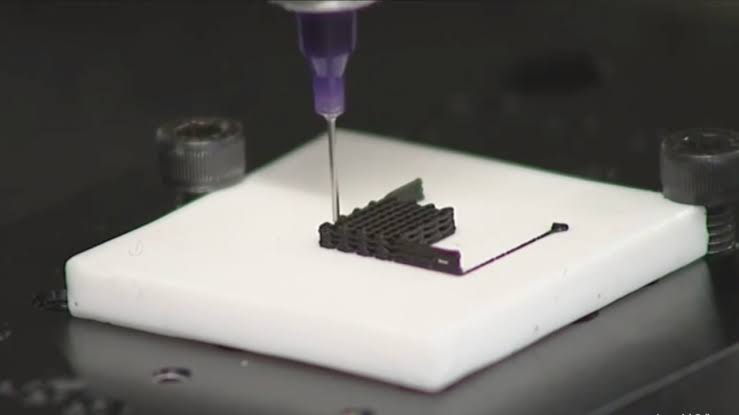
The drawback is efficiency. Powder metallurgy can deliver excellent hardness and durability, but it often consumes more expensive material than the final part actually requires, and yield suffers. The study explores a different route by pairing additive manufacturing (AM, also commonly known as 3D printing) with hot-wire laser irradiation, aiming to place cemented carbide only where it is needed while keeping performance intact and reducing waste and cost.
The study was published in the International Journal of Refractory Metals and Hard Materials.