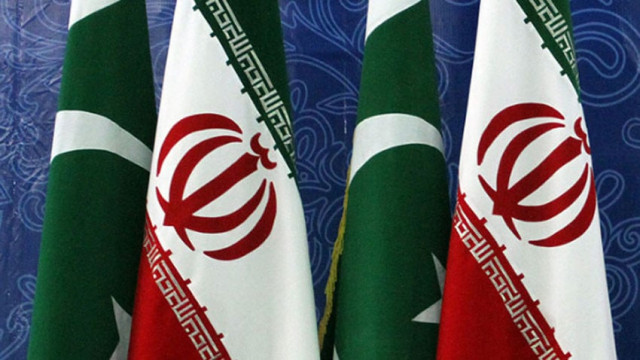
Chances of negotiations between the United States and Iran opening up at the end of President Donald Trump’s five-day pause remain limited, but a Pakistan-led initiative — in coordination with Turkey and Egypt — has created a narrow de-escalation window.
Islamabad, meanwhile, has emerged as the preferred venue for any initial engagement, even as the gap between the two sides remains wide, diplomats from the region.
Pakistan has taken centre-stage in a process being carried out in collaboration with Ankara and Cairo, with officials confirming that indirect exchanges between Washington and Tehran are continuing through structured message relays, rather than direct contact.
In a post on X, Deputy Prime Minister and Foreign Minister Ishaq Dar confirmed that “US-Iran indirect talks are taking place through messages being relayed by Pakistan”, adding that a 15-point US framework had been shared and is under Iranian deliberation, while the “brotherly countries of Turkiye and Egypt” are supporting the effort.
According to a senior regional diplomat involved in the process, Chief of Army Staff and Chief of Defence Forces Field Marshal Asim Munir has been key in sustaining the channel, maintaining direct contact with Iranian Foreign Minister Abbas Araghchi and relaying positions conveyed by the US side and getting their stance.
Tehran looks at Islamabad’s role favourably because of what Iranians term its “comparatively balanced position” during the crisis and its perception as “a more reliable partner” than most of the other Muslim countries. Additionally, Field Marshal Asim rapport with Trump is seen in Tehran as a factor that could be helpful in opening the door for dialogue.