
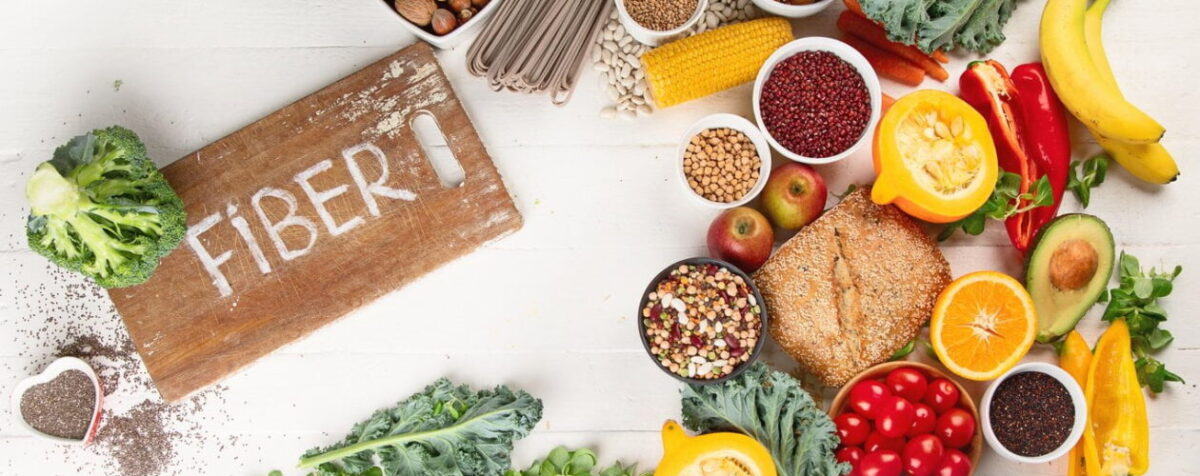
As the fibermaxxing trend gains attention, a Tufts expert explains why fiber matters for health and offers practical advice on meeting daily fiber intake goals
How much fiber a person eats can strongly influence overall health. Adequate fiber supports digestion and is linked to a lower risk of certain cancers, benefits that may help explain the growing attention around the fibermaxxing trend.
Fibermaxxing refers to intentionally meeting or exceeding the recommended daily fiber intake based on body weight. This approach has gained wide visibility this year across both social media and traditional news outlets.
Jennifer Lee, a scientist at the Jean Mayer USDA Human Nutrition Research Center on Aging at Tufts University, studies how gut health and sex related differences shape metabolism throughout the lifespan.
Lee says the popularity of fibermaxxing is not surprising. She welcomes the shift because it reflects a broader understanding that living longer does not always mean living healthier, and that people are increasingly looking for practical ways to preserve good health over time.
“There is a nine-year gap between living to a certain age in good health and then living in poor quality of health at the end of your life,” Lee added. “Behavioral or nutritional strategies that can keep someone healthy are very on trend right now.”
Fiber intake shapes long-term health: Studies have shown that chronic fiber insufficiency can lead to metabolic or cardiovascular impairments, such as diabetes and obesity.
“If you’re not consuming a lot of fiber, you’re possibly consuming calories from other macronutrient groups, and they may be high in carbohydrates or fats, which can lead to weight gain,” Lee said. “Then, depending on a number of factors that may impact one’s cancer risk, a fiber deficiency may increase your risk for certain cancers, such as colorectal, breast, and prostate cancer.”