Stranger Things series is not a true story, but it is partially inspired by real historical events, conspiracy theories, and 1980s science-fiction culture.
The characters, monsters, and the Upside Down are entirely fictional, yet the series borrows ideas from real Cold War–era secret projects.
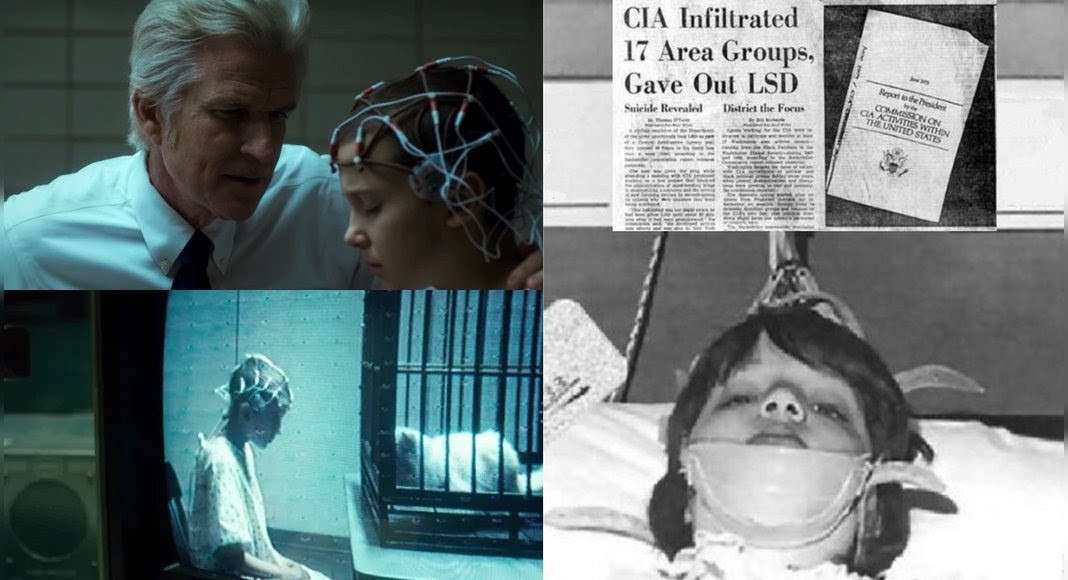
One major influence is the CIA’s MK-Ultra program, which was a real experiment in the mid-20th century that tested drugs, hypnosis, and psychological techniques on human subjects to explore mind control—though nothing supernatural like telekinesis ever occurred.
Another influence is the conspiracy theory known as the Montauk Project, which claims that secret U.S. military bases conducted psychic and dimensional experiments on children; despite being widely considered fictional and unsupported by evidence, the rumors helped shape the show’s concept—and the early working title for Stranger Things was actually “Montauk.”
Along with these elements, the creators drew heavily from classic 1980s films, books, and pop culture by artists like Stephen King and Steven Spielberg, blending real-world paranoia with imaginative horror. As a result, Stranger Things feels grounded in a believable world while remaining a work of fiction with no real-life monsters, portals, or supernatural powers.