Failing kidneys may be quietly sending toxic signals that damage the heart.
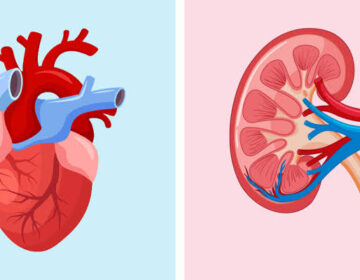
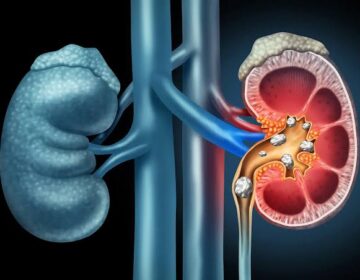
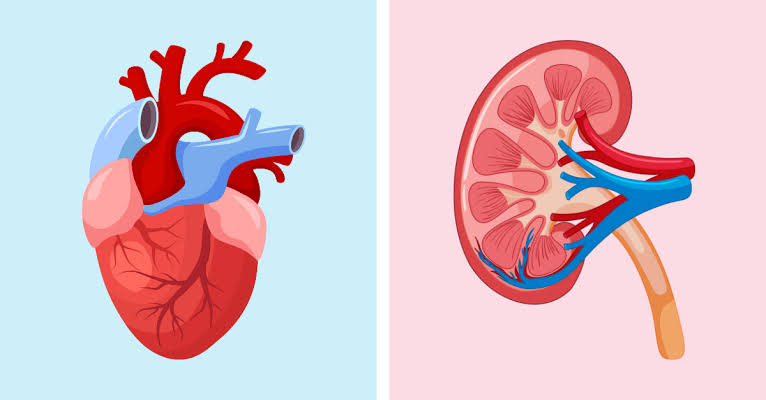
Scientists have identified a key reason why more than half of people with chronic kidney disease eventually die from heart-related conditions. New evidence shows that damaged kidneys release a substance into the bloodstream that directly harms the heart.
The research, conducted by teams at UVA Health and Mount Sinai, could help doctors recognize patients at risk much earlier. It may also lead to new ways to prevent and treat heart failure in people living with kidney disease.
“Kidney and heart disease can develop silently, so they are often discovered only after damage has already been done,” said researcher Uta Erdbrügger, MD, an internal medicine physician-scientist with the University of Virginia School of Medicine’s Division of Nephrology. “Our findings can help to identify patients at risk for heart failure earlier, enabling earlier treatment and improved outcomes.”
Heart Failure Risk in Chronic Kidney Disease
Chronic kidney disease affects more than 1 in 7 Americans, or about 35 million people in the United States, according to the National Institutes of Health. The condition is especially common among people with other chronic illnesses. About 1 in 3 patients with diabetes and around 1 in 5 people with hypertension (high blood pressure) also have kidney disease, the agency reports.
Doctors have long observed a strong connection between chronic kidney disease (CKD) and cardiovascular disease. As kidney function worsens, the risk and severity of heart problems increase. However, understanding the cause of this link has been difficult. Shared risk factors such as obesity and high blood pressure have made it challenging to determine whether kidney disease itself directly harms the heart.