
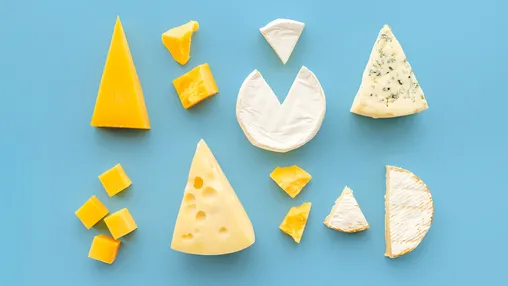
A large new study has found a connection between eating more high-fat cheese, like cheddar, Brie, or Gouda, and cream to a lower risk of developing dementia.
People who consumed 20 grams (g) or more of high-fat cheese daily had a 13% lower risk of developing dementia than those who ate none, according to the study.
People who consumed 50 g or more of high-fat cream daily had a 16% lower risk of developing dementia than those who ate none.
More research is needed to further explore whether certain high-fat dairy products offer some level of protection for the brain.A large new study published in Neurology, the medical journal of the American Academy of Neurology, found that eating more high-fat cheese and high-fat cream may have a connection to a lower risk of developing dementia.
This seems to confirm findings from other, smaller studies linking cheese consumption with better brain health as we age.How might cheese help protect brain health?Sones test noted that many dementia cases involve damage to small blood vessels in the brain. This means that factors that support vascular health are also relevant for brain health.
“In our earlier work in the same Swedish cohort, we found that cheese — especially in moderate amounts — was linked to lower risk of cardiovascular disease. Large international studies, including those from the U.S., have shown similar results or at least neutral associations for cheese and heart health,” she added.
She went on to say that since there is an overlap between vascular and brain health, it made sense for them to continue their research and examine whether cheese might also be related to dementia risk.