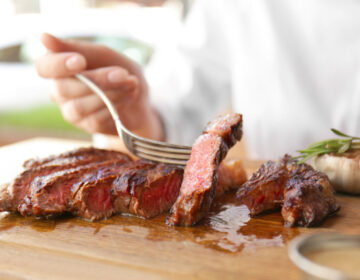
Research suggests that equal servings of animal protein may pack a much bigger muscle-building punch than their plant-based counterparts.
When it comes to protein, the same serving size on paper may not mean the same nutritional payoff in the body.
A 2023 Purdue University study found that two ounce equivalents (oz-eq) of animal-based protein foods supplied more bioavailable essential amino acids (EAA) than the same two oz-eq amount of plant-based protein foods. Essential amino acids are especially important because the body cannot make them on its own. They must come from food, and they help support muscle and whole-body protein building.
The findings add a sharper edge to a familiar nutrition question: are all protein foods truly comparable when they are measured by the same serving system?
Protein Quality Matters
The protein quality of a food or meal (i.e., the EAA content of a meal) is a major factor in determining how the body can use amino acids for muscle and whole-body protein building.
The Dietary Guidelines for Americans (DGAs) encourages people to eat a variety of protein foods and uses ounce-equivalent portions to compare them. One oz-eq equals one ounce of meat, one whole egg, 0.25 cups of beans, or 0.5 ounces of nuts.
“The basis for the DGAs stating that these protein foods are ‘equivalent’ and have ‘similar nutritional content’ is unclear,” suggests Dr. Wayne Campbell, primary investigator on this study and professor in the Department of Nutrition Science at Purdue University.
Campbell notes that protein foods can vary widely in calories, fat, carbohydrates, total protein, and protein quality. (See table below.) In other words, two foods can count the same under the ounce equivalent system while giving the body very different amounts of usable essential amino acids.