Silphium was an extinct Libyan plant renowned for contraception, medicine, and trade. Its disappearance remains a historical mystery, and scientists continue searching for surviving descendants.
Roman leader Julius Caesar is said to have kept a stock of it in the treasury. Ancient writer Pliny the Elder says Rome’s Emperor Nero owned the last stalk of it.
And some have suggested rampant extramarital sex in elite Roman circles led to demand outstripping supply, and it dying out altogether.
What is it?
Silphium: an extinct plant that once grew wild in modern-day Libya.
Used for contraception and abortion, medicine, food seasoning, perfume, and as a livestock improver, its special properties made this herb one of the most precious commodities in Graeco-Roman antiquity.
Then, one day, it went extinct.
What Did Silphium Really Look Like?
Silphium is often described these days as an aphrodisiac, despite no ancient source confirming this.
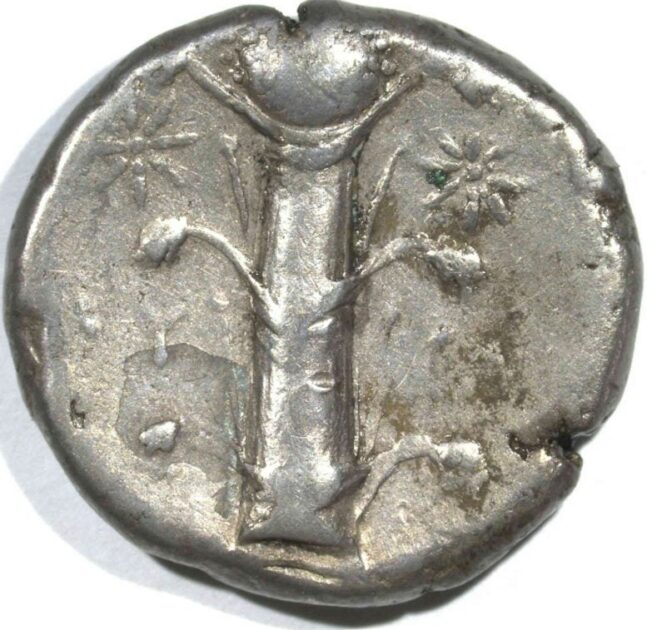
Some of the earliest depictions of silphium are of the plant’s heart-shaped seedpod, which may be the source of this association.
Depictions on coins and figurines have led modern botanists to wonder if silphium was related to modern wild giant fennels (from the genus Ferula). (It’s not related to plants of the genus Silphium, such as compass-plant and rosinweed, in North America).
Depictions of silphium next to gazelles (another product of Libya) suggest typical ancient silphium stalks were around 30 cm in height.
Resin was extracted from the plant’s stems and roots and preserved in flour, which allowed it to make the journey from Libya to further shores.