
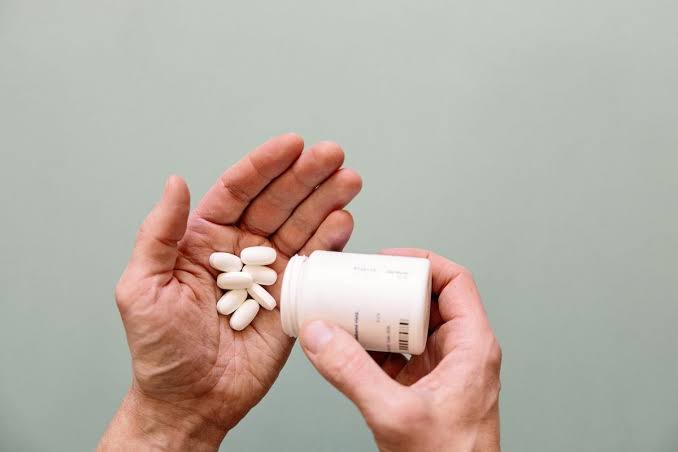
New evidence suggests calcium and vitamin D supplements may do far less to prevent fractures and falls than widely believed.
Calcium and vitamin D supplements, whether taken separately or together, provide little to no meaningful benefit in preventing fractures or falls in most older adults, according to a major review published in The BMJ.
Nearly one in three adults age 65 and older experiences a fall each year. Many of these falls lead to fractures, which can cause pain, lower quality of life, and increase the need for assisted living or residential care. As a result, reducing falls and fractures remains a major public health goal worldwide.
Earlier reviews have also found little evidence that calcium or vitamin D supplements reduce fracture risk, and findings on combined supplementation have been inconsistent. The role of vitamin D in preventing falls has also remained uncertain.
Even so, many doctors, health guidelines, and regulatory agencies continue to recommend vitamin D supplements, with or without calcium, to support bone health. Prescriptions for these supplements have also risen significantly in recent years.
Large Review Examines Fracture and Fall Prevention Evidence
To better understand the issue, researchers in Canada analyzed data from 69 randomized controlled trials involving 153,902 adults. The studies examined whether calcium supplements, vitamin D supplements, or a combination of both could reduce fractures and falls compared with placebo or no treatment.
Although the quality of the trials varied, researchers evaluated the risk of bias and the reliability of the evidence using established scientific methods.
After setting thresholds for what would count as a clinically meaningful benefit, the team found little to no reduction in overall fracture risk from calcium supplements (moderate certainty evidence from 11 trials; 9,067 participants), vitamin D supplements (high certainty evidence from 36 trials; 92,045 participants), or combined supplementation (high certainty evidence from 15 trials; 51,126 participants).
The analysis also found little to no benefit for preventing specific fractures, including hip fractures, or reducing falls. These conclusions were supported by mostly moderate to high certainty evidence.