Scientists have traced the changing microbial communities inside three artisan British cheeses, revealing how bacteria shape their flavor, texture, and potential benefits for gut health.
Cheese can seem like a simple pleasure, but every bite is the result of a microscopic transformation. As milk becomes cheese, bacteria and fungi break down sugars, proteins, and fats, creating the flavors, aromas, and textures that make each variety distinct. New research suggests that some of these tiny cheesemakers may do more than shape flavor. They could also help explain why certain traditional cheeses may interact with the gut in potentially beneficial ways.
Scientists at the University of Reading studied three artisan cheeses made by Nettlebed Creamery in Oxfordshire to see how their microbial life changed as they matured. The team tracked both the bacterial communities and the chemical makeup of the cheeses during aging, revealing how fermentation helps build a cheese’s character from the inside out.
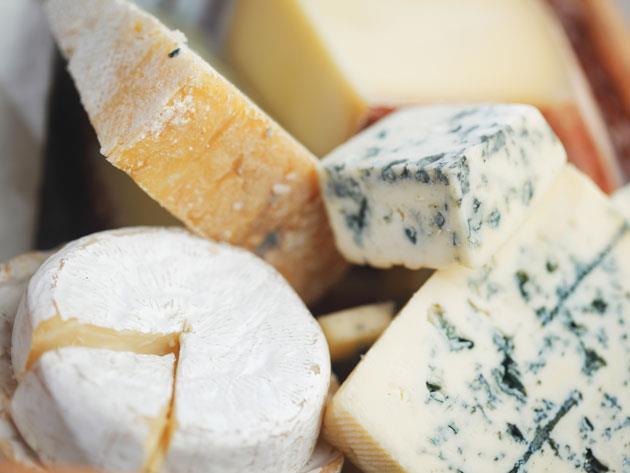
Published in ACS Food Science & Technology, the study examined a soft white-rind cheese aged for just over a week, a washed-rind semi-soft cheese matured over several weeks, and a semi-hard cheese aged in hay for about nine months.
Lead author Sabrina Longley, a PhD researcher in the Department of Food and Nutritional Sciences, said: “”Good cheese is delicious, and the artisan varieties we studied are full of microbial life that could have benefits to your gut health.
“The aging process creates more complex aromas and textures through the work of an army of helpful bacteria. The matrix of fats and proteins in the cheese may also help protect the bacteria as they travel along the digestive tract, making cheese an excellent vehicle for delivery of probiotics to the gut.”