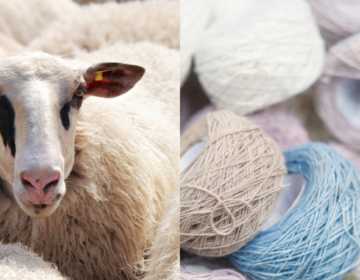
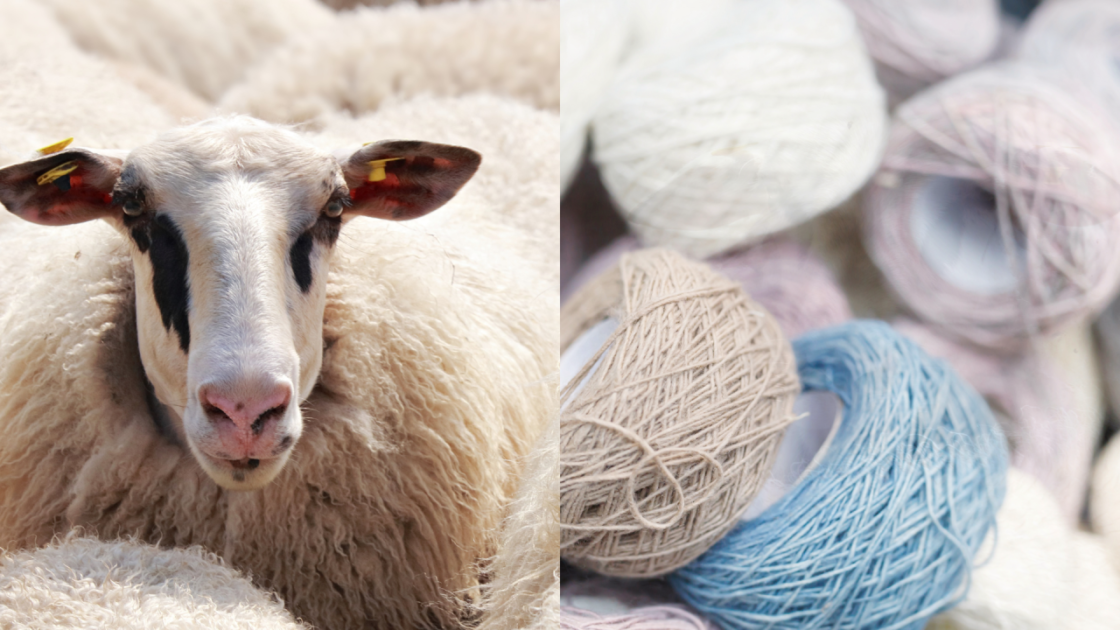
Wool-derived keratin membranes helped regenerate organized, stable bone tissue and may offer a promising alternative to collagen in regenerative medicine.
A new study found that keratin, a structural protein taken from wool, can support bone regeneration in living animals. The material produced bone tissue that more closely matched healthy natural bone than collagen, which is currently considered the standard material for these treatments.
Researchers at King’s College London tested the wool-derived keratin in animal models and discovered it could guide new bone growth across damaged areas. The findings suggest the material could become a promising alternative for regenerative medicine and dental procedures.
“We are really excited to show for the first time how a wool-based material has been successfully tested in a living animal to repair bones,” said Dr. Sherif Elsharkawy at King’s Faculty of Dentistry, Oral & Craniofacial Sciences.
The researchers also highlighted the sustainability benefits of the material. Wool is naturally sourced and is often discarded as waste by the farming industry, making keratin a renewable and scalable option for medical applications.
Collagen’s Longstanding Role in Bone Repair
For many years, collagen has been widely used as a scaffold in regenerative medicine and dentistry. It works as a protective barrier that keeps soft tissue from disrupting healing while allowing bone to regrow in damaged areas.
Despite its widespread use, collagen has several drawbacks. The material is relatively weak and can degrade too quickly, especially in situations where healing bone must withstand pressure or support weight. Extracting collagen can also be expensive and technically challenging.