A new microdroplet-based technique allows scientists to quickly pinpoint bacteria that can boost vitamin B2 levels in soy drinks.
Research Institute have developed a faster way to identify bacteria that can both support fermentation and boost vitamin B2 levels in soy drinks. In this study, they analyzed the microbiome (the complete bacterial community) from bumblebees by isolating individual microbes in microscopic droplets and testing their ability to produce the vitamin.
“Our research shows that it is possible to screen entire microbial communities directly and rapidly, and that promising bacteria can be identified from environmental samples without prior isolation and analysis of individual bacteria. This can make the development of new starter cultures faster and more targeted,” says Associate Professor Claus Heiner Bang-Berthelsen from the DTU National Food Institute.
Researchers have discovered promising bacteria in bumblebees
Plant-based dairy alternatives often contain fewer vitamins and minerals than cow’s milk, with vitamin B2 (riboflavin) commonly lacking.
To address this, the team focused on finding bacteria that could grow in soy drinks while naturally producing vitamin B2 during fermentation. They turned to bumblebee gut bacteria as a source of candidates.
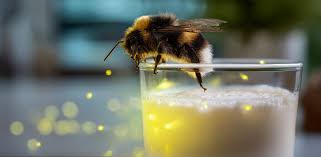
“Bumblebees live close to plants, and their guts contain many microorganisms that are already adapted to plant-based environments. That is why it was interesting for us to test whether we could find bacteria in bumblebees capable of producing vitamin B2 in soya drinks,” says Postdoc Hang Xiao from the DTU National Food Institute.