Evidence from Jerash shows the Justinian plague reshaped communities, exposing hidden migration patterns and the human impact of pandemic crises.
“A plague is upon us” was likely a familiar expression in ancient Jordan, where a mysterious disease claimed many lives and left a lasting mark on society.
Today, an interdisciplinary team from the University of South Florida is uncovering new details about the Plague of Justinian and its effects during that period. Led by Rays H. Y. Jiang, an associate professor in the College of Public Health, the group has completed a third study in an ongoing series examining the earliest known outbreak of bubonic plague in the Mediterranean.
Their latest paper, published in the Journal of Archaeological Science, adds important evidence about the causes and consequences of an outbreak that killed millions across the Byzantine Empire.
Human Stories Behind the Plague of Justinian
“We wanted to move beyond identifying the pathogen and focus on the people it affected, who they were, how they lived, and what pandemic death looked like inside a real city,” Jiang said.
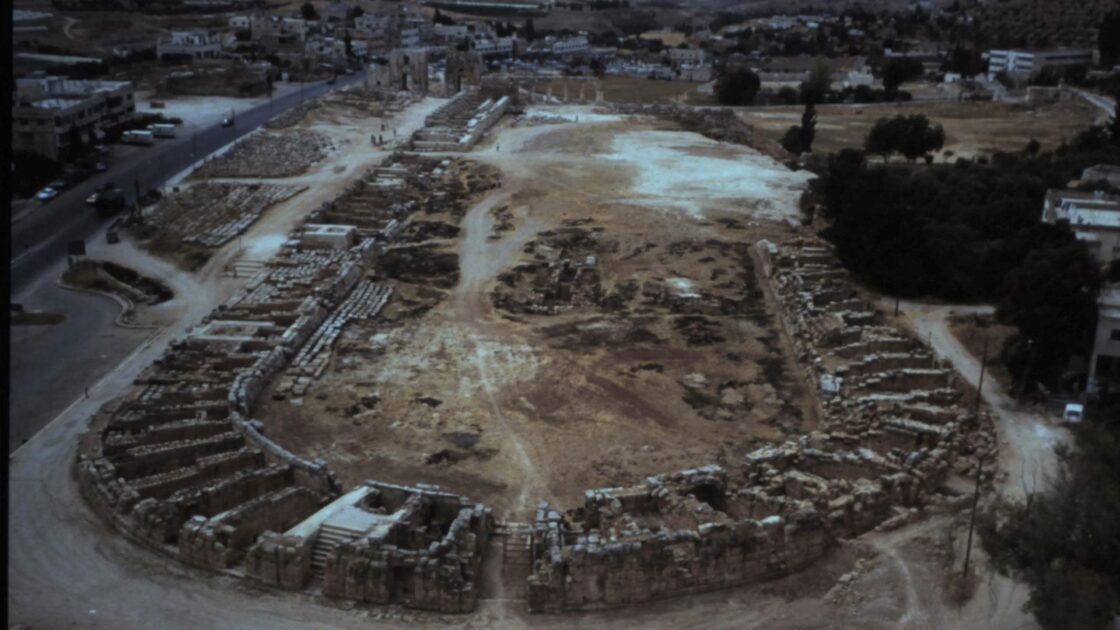
At the time of the outbreak, affected individuals lived in varied and often disconnected communities. In death, however, they were brought together. Many bodies were quickly placed over layers of pottery debris in an abandoned public area, which became the focus of this study.
Jiang led the research alongside colleagues from USF’s Genomics, Global Health Infectious Disease Research Center, and departments including anthropology, molecular medicine, and history. Additional contributions came from archaeologist Karen Hendrix at Sydney University Australia and a DNA laboratory at Florida Atlantic University.
Earlier studies from the team centered on Yersinia pestis, the bacterium responsible for plague. This new work shifts attention to its immediate and lasting effects on an ancient population, along with possible relevance for modern times.