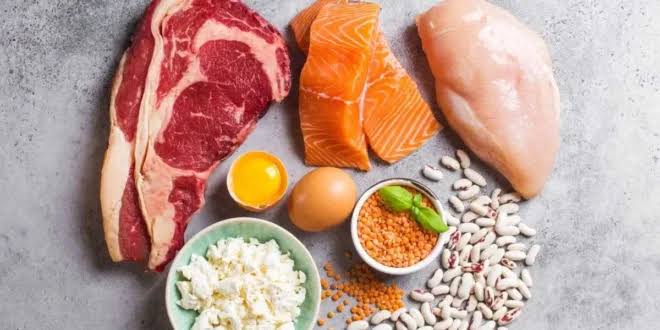
Protein is essential but widely overemphasized; most people already get enough, and balance matters more than excess.
Walk through a grocery store today, and you will likely see protein added to everything from potato chips and pastries to bottled water. Products that once had little connection to nutrition trends are now marketed as protein-rich options.
This surge reflects the rise of “protein-maxxing,” a social media-driven push to increase protein intake at every opportunity.
But is all this extra protein necessary? Should carbohydrates be replaced with steak?
“Protein has gotten the kind of treatment that low-fat food did in the ’90s—the SnackWell’s phenomenon. We all have given protein a health halo,” said Marily Oppezzo, PhD, a dietician and instructor of medicine at the Stanford Prevention Research Center.
Protein intake fuels the creation of important bodily proteins.
Despite conflicting messages, one point is clear: protein is essential. Along with carbohydrates and fat, it is one of the three macronutrients that supply calories. Every calorie you consume comes from one of these three sources.
Protein plays a critical role throughout the body. At a basic level, it provides the raw materials needed to build the body’s own proteins, which support nearly every biological process.
“Protein can take the form of your muscles, your hair, your skin—everything has protein in it,” said Jonathan Long, PhD, an associate professor of pathology. “And you can’t get those constituents from fat or carbohydrates alone.”
Our bodies’ proteins — just the same as dietary proteins — are made up of strings of molecules called amino acids. There are 20 different amino acids, some of which we can synthesize from other compounds. But we must get nine of these, also called essential amino acids, from our diet. We simply can’t build them out of other components.