A recent study investigated the effects of a low-carbohydrate ketogenic diet on adults with treatment-resistant depression.
Treatment-resistant depression occurs when someone’s symptoms do not improve after trying at least two different antidepressants.
The participants who followed a ketogenic diet experienced greater improvement in their depressive symptoms. However, as this difference diminished by the 12-week follow-up, the effects may be short-lived.
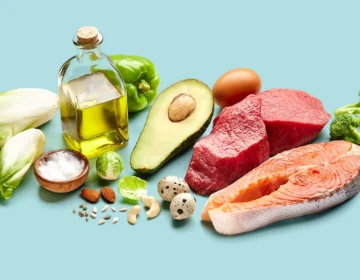
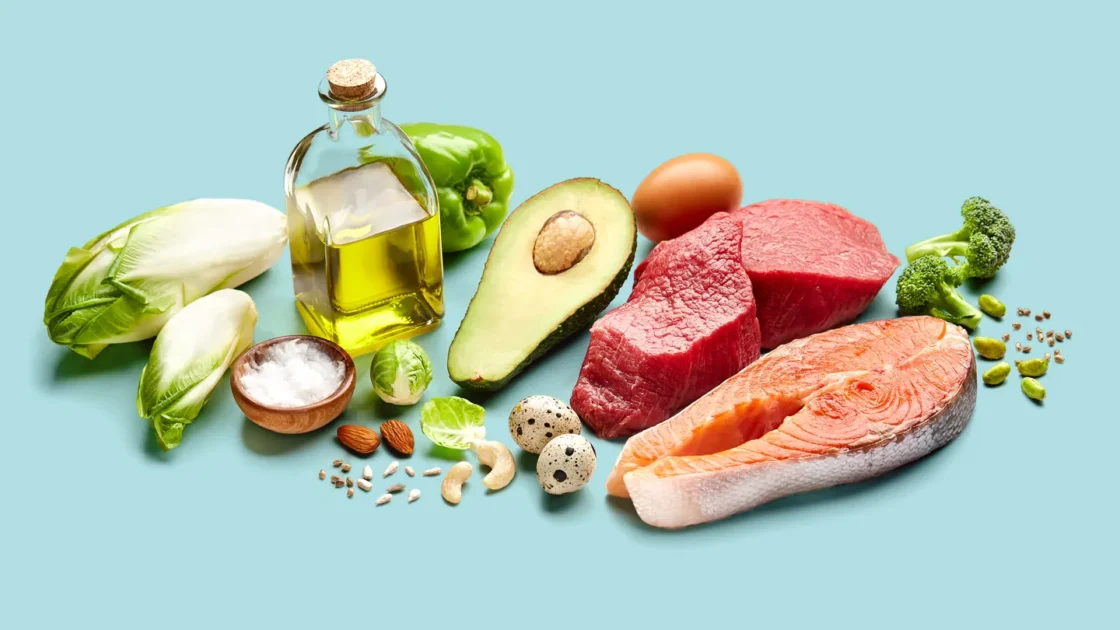
Researchers from the United Kingdom recently studied whether a ketogenic (keto) diet, low in carbs, could help adults with treatment-resistant depression.
Depression is commonTrusted Source in the United States, and while there are many medications and therapy options available, some people do not respond and still struggle with symptoms.
Doctors describe depression as “treatment-resistant” when someone does not see an improvement in their symptoms after trying at least two different antidepressants.
Prior research shows that food choices may impact mood, and the researchers in the new study wanted to find out whether a keto diet could help with treatment-resistant depression symptoms.
The trial included 88 participants who were randomly assigned to follow a keto diet or a control diet for 6 weeks. Both groups had improvements in depression symptoms, but the keto group had a slightly greater improvement at 6 weeks.