Albumin has been identified as a powerful natural defense against mucormycosis, with low levels signaling heightened risk and a potential opportunity for new preventive therapies.
An international research team has reported in Nature that albumin, the most plentiful protein in human blood, plays a much stronger role in protecting the body against mucormycosis than previously recognized.
The study was led by George Chamilos, MD, and his laboratory at the University of Crete and the Institute of Molecular Biology and Biotechnology, with key contributions from a Lundquist Institute for Biomedical Innovation group led by Professor Ashraf Ibrahim, PhD.
A lethal infection with few defenses
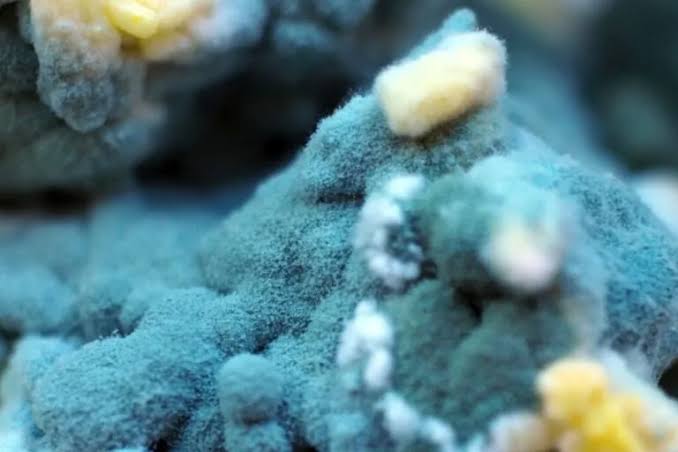
Mucormycosis, often referred to as “black fungus,” is an aggressive infection caused by Mucorales fungi. It can be fatal in up to half of all cases, and in some situations, the diagnosis is associated with an almost certain risk of death. The disease gained global attention during the COVID-19 pandemic, when cases rose sharply in India, particularly among people with diabetes, compromised immune systems, or malnutrition.
The researchers found that patients diagnosed with mucormycosis consistently had much lower levels of albumin than patients with other fungal infections. These reduced albumin levels, known as hypoalbuminemia, emerged as the strongest indicator of poor outcomes, including death, across patient groups studied in multiple regions of the world.