A newly identified protein helps aging brains regenerate neural stem cells.
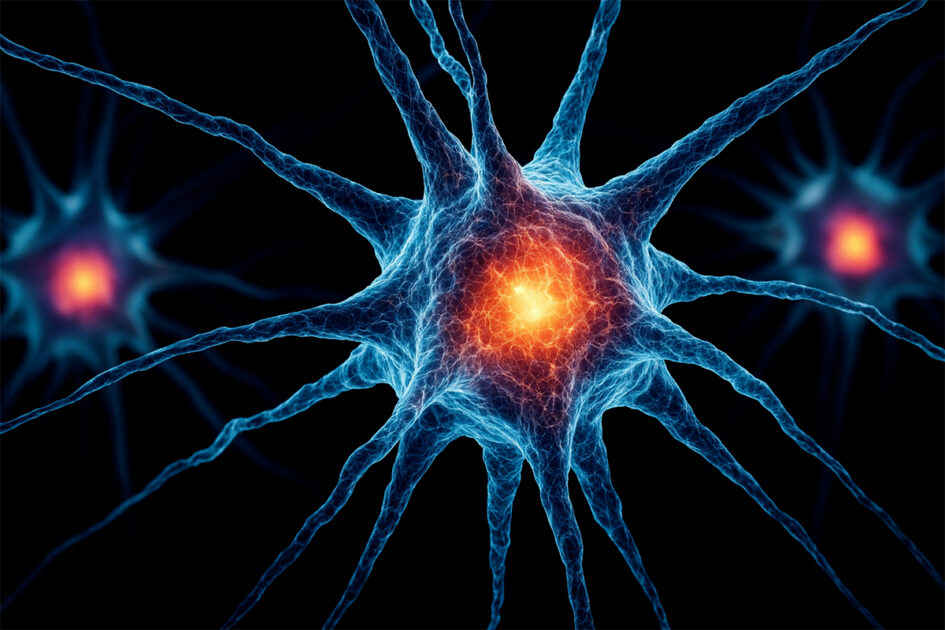
Scientists at the Yong Loo Lin School of Medicine, National University of Singapore (NUS Medicine), have identified a molecular switch that helps aging brains maintain their ability to generate new nerve cells. The discovery centers on a protein that appears to revive the regenerative potential of neural stem cells, a capacity that typically fades with age and contributes to declining brain function.
The study focuses on a transcription factor known as cyclin D-binding myb-like transcription factor 1 (DMTF1). Transcription factors act as gene regulators, directing when specific genes are activated and ensuring that cells behave as they should. The researchers found that DMTF1 plays a pivotal role in sustaining neural stem cell activity as the brain ages, positioning it as a key player in the biology of brain aging.
The research was led by Assistant Professor Ong Sek Tong Derrick, with Dr Liang Yajing as first author, from the Department of Physiology and the Healthy Longevity Translational Research Programme at NUS Medicine. The team set out to understand why neural stem cells lose their ability to regenerate over time, and how this decline might be reversed to protect cognitive function during aging.
How DMTF1 Supports Neural Stem Cells
To investigate DMTF1’s role, the team studied neural stem cells from human sources and from laboratory models engineered to mimic premature aging. They then used genome binding and transcriptome analyses to map where DMTF1 acts across the genome and to measure how it reshapes gene activity, helping clarify the chain of events that links this factor to stem cell maintenance.