Advances in technology have reopened the debate over terraforming Mars, shifting it from an impossible dream to a long-term scientific and ethical question.
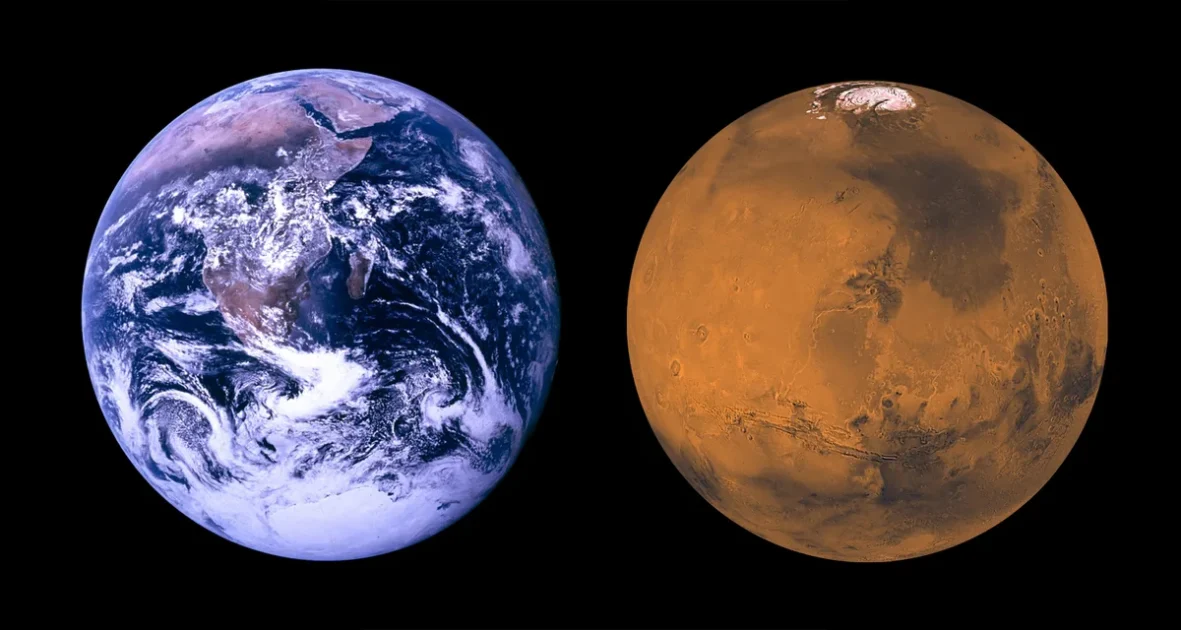
Terraforming refers to a theoretical approach for altering a planet or moon so it could support humans and other Earth-like life. The idea centers on changing key environmental features, including the atmosphere, surface temperature, and overall climate, to make conditions more similar to those on Earth.
This could involve increasing oxygen levels, allowing liquid water to exist on the surface, and stabilizing long-term climate patterns. Mars is the planet most often discussed in these proposals, with ideas ranging from releasing heat-trapping gases to raise temperatures to introducing microorganisms that might slowly generate oxygen over thousands of years.
Terraforming shifts from fiction to research
For decades, turning Mars into a habitable world was largely the domain of science fiction. The vision of reshaping a cold, lifeless planet into one capable of supporting life has long fascinated the public, yet most scientists viewed it as far beyond reach. That view is now being reconsidered.
A group of researchers led by Dr Erika DeBenedictis of Pioneer Labs argues that terraforming deserves serious attention as a scientific research program, not as an immediate goal, but as a subject worth systematic study given recent advances.