DESPITE being invited to join the ‘Board of Peace’ by President Donald Trump, India has yet to formally get involved in the process.
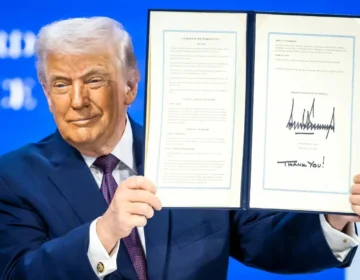
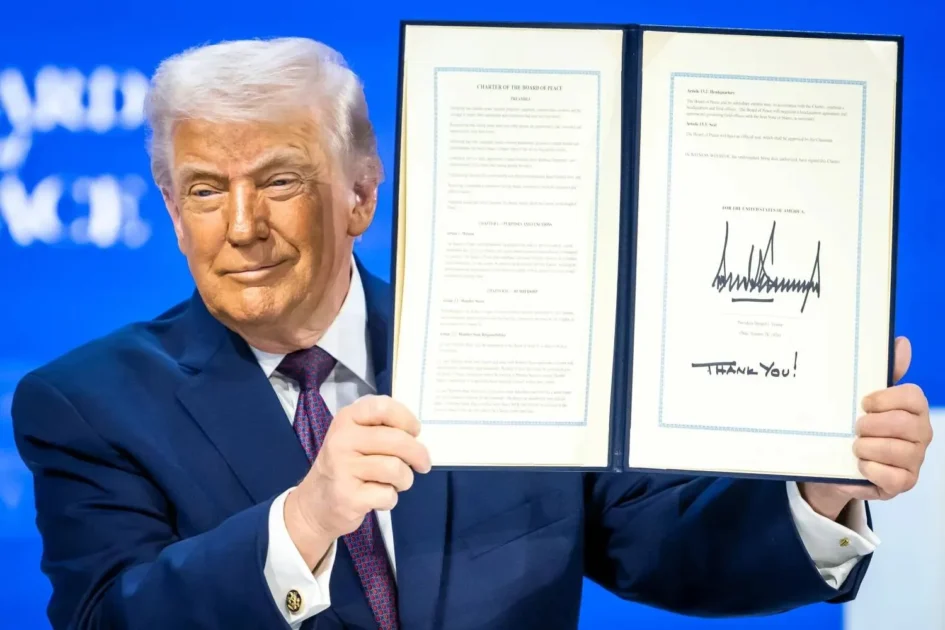
Conspicuous by its absence from the Davos ceremony where 20 world leaders — including Trump and Pakistan’s PM Shehbaz Sharif — signed the board’s charter, some in India are viewing New Delhi’s reluctance through the lens of the Kashmir dispute.
President Trump says the board’s goal is to make the ceasefire between Israel and Hamas in Gaza permanent and oversee an interim government in the Palestinian territory.
“This is not just for America, but for the whole world. I think we can spread it to other places. Like we did successfully in Gaza,” he had said at the time.
But there seems to be concern among some circles that if India signs up for the board — which Trump envisions as a future replacement for the United Nations — it may open up the disputed territory of held Kashmir to broader international or American scrutiny.
Although Trump has repeatedly offered to mediate on the Kashmir issue, especially in the wake of the May 2025 flare-up between the two South Asian rivals, New Delhi has firmly opposed all such overtures thus far.
According to a report, the ‘Board of Peace’ is being formed at a time when the US is withdrawing from several UN organisations, raising the question of whether the board aims to render the world body irrelevant.
There is also a concern among some circles that the board will only strengthen a unipolar world, a system currently dominated by the US.
In a recent editorial on the issue, The Hindu newspaper painted Pakistan’s decision to join the board as “a warning signal to India”.
The newspaper attributed its alarm to the US president’s propensity to playing the ‘peacemaker’, having already claimed to have solved multiple regional and global conflicts during his first year in office.