In 1985, India witnessed a legal and social storm that would echo for decades: the Shah Bano case. A 62-year-old Muslim woman, divorced by her husband via instant triple talaq, fought for her right to maintenance under Section 125 of the Criminal Procedure Code – a secular law meant to protect women of all religions.
The Supreme Court ruled in her favor, granting her support beyond the iddat period, challenging conservative interpretations of Muslim personal law. The verdict sparked a political firestorm, leading to the 1986 Muslim Women (Protection of Rights on Divorce) Act, which curtailed maintenance to just the iddat period, leaving millions of women in precarious positions. Decades later, the debate over triple talaq continued, culminating in the 2019 law criminalizing instant talaq in India.
Triple Talaq as a Social Reality
Triple talaq isn’t just a plot device; it’s a lived reality that countless women have faced, and one that has repeatedly featured in media, debates, and courtrooms over decades.
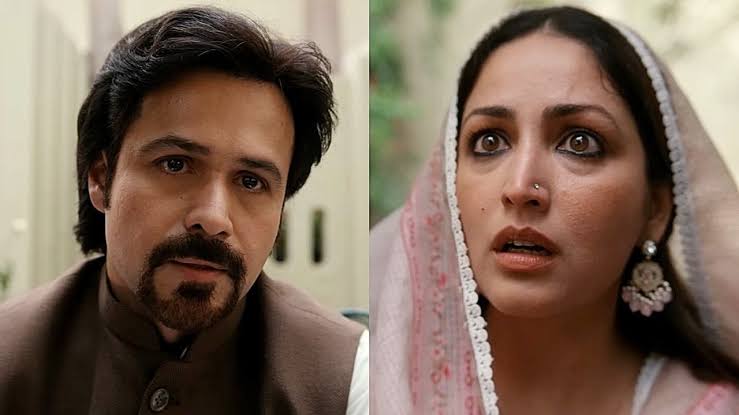
The film shows Abbas, Shazia Bano’s husband, pronouncing instant talaq 3 times, but it doesn’t fully capture how entrenched this practice was socially, or the deep sense of helplessness women felt when faced with the same
. In Pakistan too, triple talaq has been a contentious topic, with reforms in recent years banning certain unilateral divorces, but women there, similar to India, still face hurdles enforcing their rights, so this narrative resonates regionally as well.