
Ancient wolves found on a human-occupied Baltic island reveal unexpected and complex forms of prehistoric human-animal interaction.
Researchers have uncovered wolf remains dating back thousands of years on a small and remote island in the Baltic Sea. Because the island is naturally isolated, the animals could only have arrived there with human involvement.
The study, published in Proceedings of the National Academy of Sciences by scientists from the Francis Crick Institute,suggests that gray wolves may have been deliberately managed or controlled by prehistoric communities.
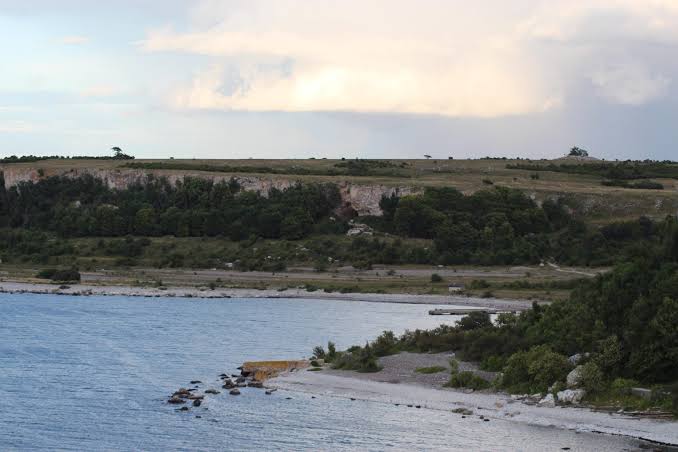
The remains, estimated to be between 3,000 and 5,000 years old, were discovered in the Stora Förvar cave on the Swedish island of Stora Karlsö. This site was heavily used by seal hunters and fishers during the Neolithic and Bronze Ages. The island spans just 2.5 square kilometers and has no native land mammals, indicating that any large terrestrial animals found there must have been brought by people.
Detailed genomic analysis of two canid specimens confirmed that they were wolves rather than dogs, with no trace of dog ancestry. Despite this, the animals showed characteristics commonly linked to close proximity with humans. Isotope analysis of the bones revealed a diet rich in marine foods, including seals and fish, closely matching what people on the island consumed and suggesting that the wolves were fed by humans.