A research team developed two flavor-enhancing techniques that transform carob pulp into a delicious, sustainable alternative to cocoa.
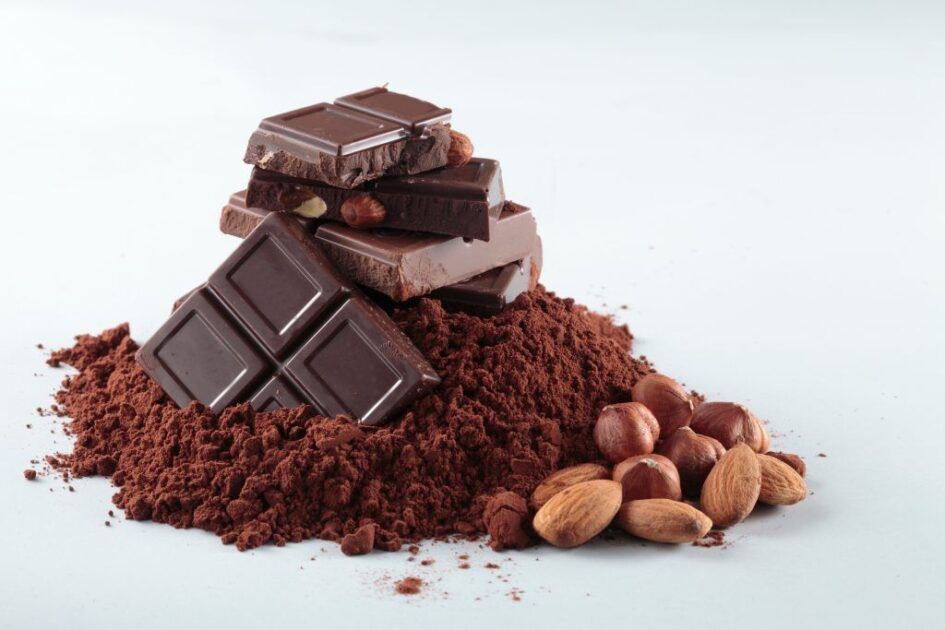
Rising temperatures and the spread of crop diseases are placing increasing pressure on the global supply of cocoa. In response to these challenges, researchers at the National University of Singapore (NUS) began investigating ways to improve the flavor of carob, with the goal of positioning it as a more sustainable and attractive alternative to cocoa.
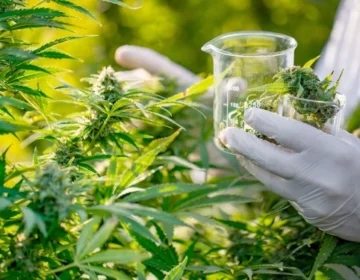
Carob pulp comes from Ceratonia siliqua (carob), a tough, climate-resilient plant that has drawn growing interest as a potential substitute for cocoa. When roasted, carob develops an aroma similar to cocoa, but its taste has not yet matched the richness consumers expect from chocolate. This flavor gap has been a key barrier to its broader use.
The research effort is led by Associate Professor Liu Shao Quan from the Department of Food Science and Technology at the NUS Faculty of Science. His team has introduced two new methods designed to significantly improve the taste profile of carob pulp.
“Our carob-based innovation meets the relatively untapped and nascent market of alternative chocolate sources. Additionally, our new techniques improve the taste of carob itself, without the use of additives such as flavorings. So, consumers can have the best of both worlds – better flavour and a simple ingredients list. With these innovations, we aim to make a meaningful contribution towards addressing the current challenges and needs of the chocolate industry,” said Assoc Prof Liu.
Carob trees are leguminous plants native to the Mediterranean region and are well-suited to hot, dry environments where water is scarce. Unlike the Theobroma cacao tree – the source of cocoa – which can only grow under very specific climate conditions, carob trees are naturally drought-tolerant. This resilience makes them better equipped to withstand the effects of climate change and increasingly unpredictable weather patterns.