
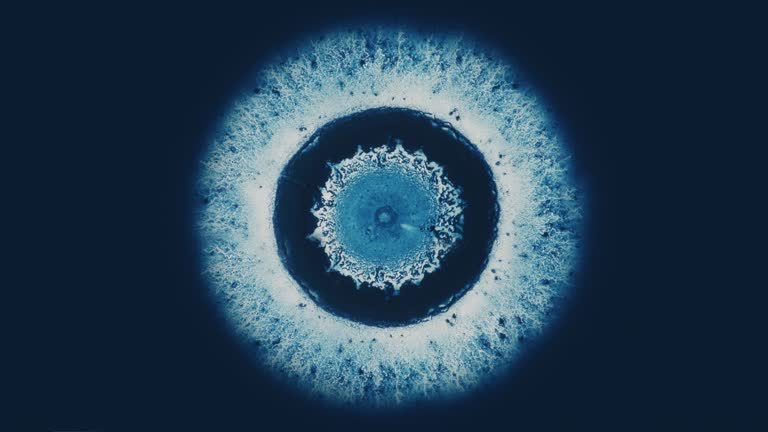
Six feet of human DNA crammed into a tiny nucleus relies on an elegant system of nucleosomes, fibers, and highly organized phase-separated condensates.
Scientists have now captured the most detailed images yet of how chromatin fibers and nucleosomes arrange themselves inside these droplet-like structures, revealing how molecular architecture determines condensate behavior.
How Cells Fit Six Feet of DNA Into Tiny Nuclei
Inside every human cell, biology manages an extraordinary challenge: packing roughly six feet of DNA into a nucleus that is only about one-tenth the width of a human hair, all while keeping the genetic material fully functional.
To achieve this level of compression, DNA coils around proteins to form nucleosomes. These nucleosomes connect like beads on a string, creating long strands that fold into chromatin fibers. The fibers then compact even further to fit inside the nucleus.
For years, scientists did not know exactly how this final stage of compaction occurred. That changed in 2019, when HHMI Investigator Michael Rosen and his colleagues at UT Southwestern Medical Center showed that lab-made nucleosomes can gather into membrane-less droplets called condensates. They discovered that this occurs through phase separation – a process similar to oil droplets forming in water – which may mirror how chromatin becomes densely packed within living cells.