Advanced CT imaging of rare Devonian lungfish fossils in Australia and China is revealing unexpected anatomical details.
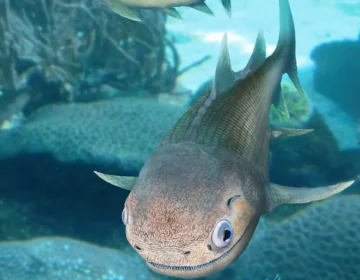
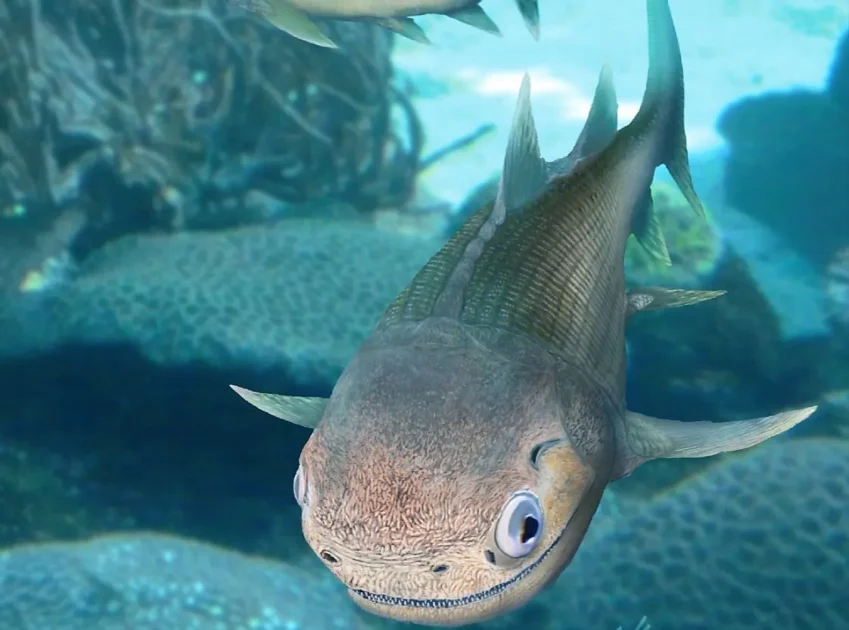
Scientists have uncovered new insights into the evolution of some of the earliest fish to inhabit Earth more than 400 million years ago.
Two independent studies conducted by research teams in Australia and China provide new evidence about ancient lungfish, which are the closest living relatives of vertebrates that eventually moved onto land. These discoveries expand on decades of fieldwork at the fossil-rich Gogo site in far northern Western Australia, led by Flinders University in collaboration with the Chinese Academy of Sciences.
By examining both living and fossil lungfish, researchers gain important anatomical information about how tetrapods evolved. Tetrapods are vertebrates with limbs, including humans, that made the transition from water to land during the Devonian period.
A particularly puzzling fossil from the Late Devonian Gogo Formation in Western Australia has now been reanalyzed using advanced imaging tools such as CT scanning and computed tomography. The findings were published in the Canadian Journal of Zoology.
According to lead author Dr. Alice Clement of Flinders University’s Palaeontology Lab, each new study adds to scientists’ understanding of the extraordinary diversity of lungfish preserved at the Gogo site, including specimens that were previously considered too poorly preserved to yield meaningful detail.