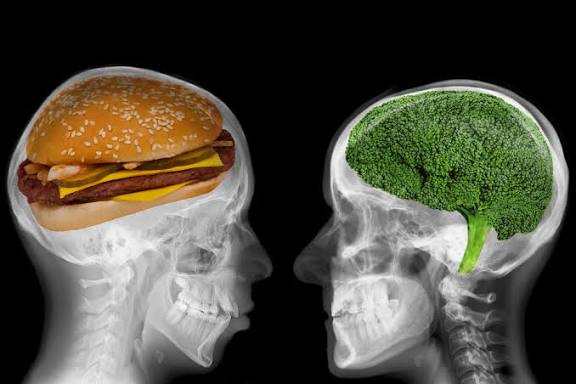
Brain imaging of 30,000 people revealed that ultra-processed foods are associated with structural differences in the brain that could fuel overeating.
The study suggests that additives like emulsifiers may influence these effects. While some processed foods are beneficial, ultra-processed products pose a clear risk.
Brain Imaging Study Reveals Concerning Links to Ultra-Processed Foods
An international team of researchers has examined brain scans from nearly 30,000 people and uncovered noteworthy links between frequent consumption of ultra-processed foods and differences in brain structure.
These structural differences may contribute to patterns of overeating and make it harder for individuals to regulate their eating habits.
“Our findings suggest that higher consumption of ultra-processed foods is associated with differences in the brain. These associations could be linked to behavioural patterns such as overeating, though causal relationships cannot be confirmed by our study.
The observed associations are not solely explained by inflammation or obesity; ingredients and additives typical to UPFs, such as emulsifiers may also play a role, although this requires further longitudinal or experimental evidence,” explains the shared first author of the research Arsène Kanyamibwa from the University of Helsinki.